The 1970s brought us some of the most talented male singers in music history. From rock to pop to soul, these artists shaped the sound of a decade and left a lasting impact on popular culture. Their voices and songs continue to resonate with fans today.
The top male artists of the 1970s created timeless hits that still play on radio stations and streaming platforms worldwide. Many of these singers started successful solo careers after leaving popular bands. Others found fame as part of iconic groups. Their music defined an era and influenced countless musicians who came after them.
1: David Bowie
David Bowie was a musical chameleon who defined the 1970s with his innovative sound and ever-changing personas. Born David Robert Jones, he adopted the stage name Bowie to avoid confusion with Monkees singer Davy Jones.
Bowie’s breakthrough came with the 1972 album “The Rise and Fall of Ziggy Stardust and the Spiders from Mars.” This concept album introduced his alter ego Ziggy Stardust, a flamboyant alien rock star.
Throughout the decade, Bowie continued to reinvent himself. He explored different musical styles, from glam rock to soul and electronic music. His hit songs included “Space Oddity,” “Changes,” and “Heroes.”
Bowie’s influence extended beyond music. His androgynous appearance and theatrical performances challenged social norms and inspired countless artists. He also dabbled in acting, starring in the 1976 film “The Man Who Fell to Earth.”
By the end of the 1970s, Bowie had become a superstar. His ability to constantly evolve while creating memorable music cemented his place as one of the decade’s most important artists.
Top Billboard position: #1 with “Fame” in 1975.
2: Elton John

Elton John was a superstar of the 1970s music scene. Born Reginald Kenneth Dwight, he took the world by storm with his amazing piano skills and powerful voice.
Elton’s partnership with lyricist Bernie Taupin led to many hit songs. Their songwriting duo is one of the most successful in history.
In 1970, Elton made his American debut at the Troubadour club in Los Angeles. This performance kickstarted his rise to fame in the United States.
Throughout the decade, Elton released chart-topping albums and singles. His music blended rock, pop, and glam styles, creating a unique sound that fans loved.
Elton’s stage presence was just as memorable as his music. He often wore flashy, colorful outfits and big glasses during his shows.
Some of Elton’s biggest hits from the 70s include “Your Song,” “Rocket Man,” and “Crocodile Rock.” These tunes are still popular today.
Billboard Hot 100 Peak Position for “Your Song”: #8
3: Marvin Gaye
Marvin Gaye was a soul and R&B legend who helped shape the sound of Motown in the 1960s and 1970s. His smooth vocals and socially conscious lyrics made him a standout artist of the era.
Gaye’s 1971 album “What’s Going On” is widely regarded as a masterpiece. It tackled issues like poverty, drug abuse, and the Vietnam War. The title track became an anthem for a generation.
In 1973, Gaye released “Let’s Get It On,” which showcased his sensual side. The album’s blend of romance and passion resonated with listeners and further cemented his status as a musical icon.
Gaye’s duets with female artists were also hugely popular. His collaborations with Tammi Terrell produced hits like “Ain’t No Mountain High Enough” and “You’re All I Need to Get By.”
Marvin Gaye’s influence extended beyond his own music. He inspired countless artists and helped pave the way for future R&B and soul performers.
Top Billboard position for “What’s Going On”: #2
4: Stevie Wonder
Stevie Wonder was a musical powerhouse in the 1970s. Born blind, he didn’t let that stop him from becoming one of the best male singers of the decade.
His talent shone through in albums like “Talking Book” and “Songs in the Key of Life.” These records gave us hits such as “Superstition” and “Isn’t She Lovely.”
Wonder’s unique blend of soul, funk, and pop captivated audiences worldwide. His smooth voice and keyboard skills made him stand out from other artists.
He wasn’t just a singer, though. Stevie Wonder wrote and produced most of his own music. This helped him create a sound that was truly his own.
Throughout the 70s, Wonder racked up numerous awards. He won multiple Grammy Awards and had several number-one hits on the Billboard charts.
His music touched on social issues too. Songs like “Living for the City” talked about urban poverty and racism.
Stevie Wonder’s impact on music in the 1970s was huge. He inspired many other artists and continues to be a beloved figure in music today.
Top Billboard position: “Superstition” reached #1 on the Hot 100 chart in 1973.
5: Paul McCartney
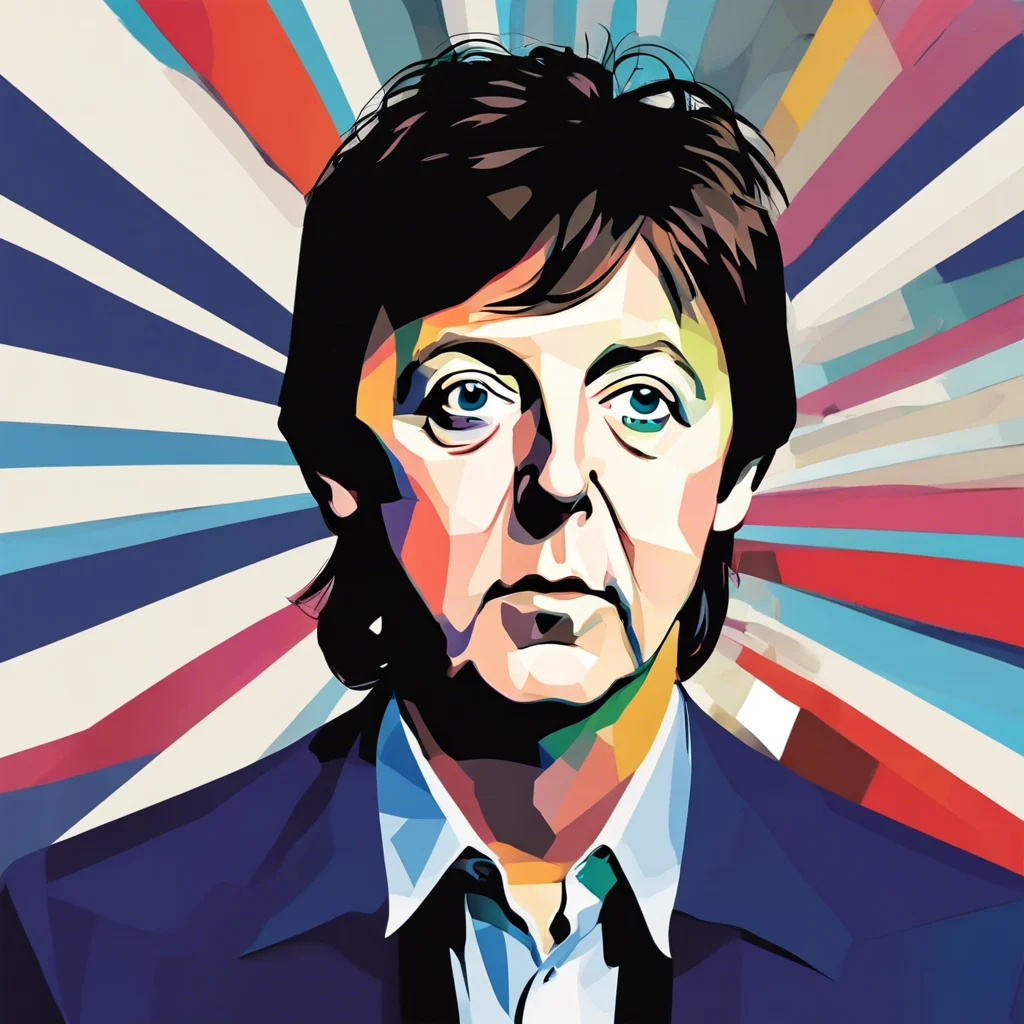
Paul McCartney’s career soared in the 1970s after The Beatles broke up. He formed the band Wings with his wife Linda and other musicians. Wings became one of the most successful bands of the decade.
McCartney’s songwriting skills shone bright during this time. He penned hits like “Maybe I’m Amazed” and “Band on the Run.” These songs showed his talent for catchy melodies and meaningful lyrics.
In 1970, McCartney released his first solo album, “McCartney.” It featured the popular song “Maybe I’m Amazed.” The album topped the charts in the US.
Wings’ 1973 album “Band on the Run” was a massive success. It had many hit singles and won two Grammy Awards. The title track became one of McCartney’s most loved songs.
McCartney’s voice remained strong and distinctive throughout the decade. He could sing rock, pop, and ballads with equal skill. His bass playing was also highly regarded in the music world.
Top Billboard position for “Maybe I’m Amazed”: #10
6: Rod Stewart
Rod Stewart became one of the biggest rock stars of the 1970s. His raspy voice and energetic performances made him stand out from other singers.
Stewart started the decade as lead singer of The Faces. He soon launched a successful solo career alongside the band.
His 1971 album “Every Picture Tells a Story” was a huge hit. It featured the chart-topping single “Maggie May”, which became one of his signature songs.
Stewart continued to release popular albums throughout the 70s. He mixed rock, folk, and pop styles in his music.
Some of his other big hits from this era include “You Wear It Well” and “Tonight’s the Night (Gonna Be Alright)”. He also recorded rocking covers of classic songs like “Twistin’ the Night Away”.
By the end of the decade, Rod Stewart was a global superstar. His distinctive voice and songwriting talents made him one of the most prominent male artists of the 1970s.
Top Billboard position for “Maggie May”: #1
7: Al Green
Al Green is a legendary soul singer who rose to fame in the 1970s. Born in Arkansas in 1946, he began his musical journey as a child singing in church.
Green’s smooth vocals and emotional performances made him a standout artist of the decade. His unique blend of soul, R&B, and gospel music captivated audiences worldwide.
Some of Green’s most popular songs from the 70s include “Let’s Stay Together,” “I’m Still in Love with You,” and “Love and Happiness.” These hits showcased his incredible range and passionate delivery.
Green’s music often dealt with themes of love, relationships, and spirituality. His powerful voice and heartfelt lyrics resonated with listeners, earning him a devoted fan base.
Throughout the 1970s, Green released several successful albums. His work during this period helped establish him as one of the greatest soul singers of all time.
Top Billboard position for “Let’s Stay Together”: #1 on the Billboard Hot 100
8: Jackson Browne
Jackson Browne was a standout singer-songwriter of the 1970s. His music blended folk, rock, and country influences, creating a sound that defined the era.
Browne’s lyrics were known for their depth and sensitivity. He wrote about love, loss, and social issues with a poetic touch that resonated with many listeners.
Born in Germany but raised in Los Angeles, Browne was part of the city’s thriving music scene. He started his career writing songs for other artists before launching his own successful solo career.
Some of Browne’s most popular songs from the 70s include “Doctor My Eyes,” “Running on Empty,” and “The Pretender.” These tracks showcased his talent for crafting memorable melodies and thoughtful lyrics.
Browne’s music often featured top studio musicians from Los Angeles, adding to the rich sound of his recordings. His albums were both critically acclaimed and commercially successful.
Top Billboard position: “Doctor My Eyes” reached #8 on the Billboard Hot 100 in 1972.
9: Barry White
Barry White was a musical icon of the 1970s. His deep, smooth voice and romantic lyrics made him stand out from other artists of the era.
White got his start in music at a young age. He sang in his church choir and learned to play piano as a child. In the 1960s, he worked behind the scenes as a songwriter and producer.
His big break came in the early 1970s when he launched his solo career. White’s first hit single was “I’m Gonna Love You Just a Little More Baby” in 1973.
White became known for his sensual love songs and lush orchestral arrangements. Some of his most popular tracks include “Can’t Get Enough of Your Love, Babe” and “You’re the First, the Last, My Everything.”
Throughout the decade, White released multiple platinum albums and charted several hit singles. His music helped define the sound of 1970s soul and disco.
White’s influence extended beyond his own recordings. He also wrote and produced for other artists, including the female vocal group Love Unlimited.
Top Billboard position: “Can’t Get Enough of Your Love, Babe” reached #1 on the Hot 100 in 1974.
10: Freddie Mercury
Freddie Mercury was the iconic lead singer of Queen. Born Farrokh Bulsara in 1946, he became one of the most famous male singers of the 1970s.
Mercury’s powerful voice and flamboyant stage presence made him stand out. He could sing opera, rock, and everything in between with ease.
Queen was formed in 1970 and quickly rose to fame. Their 1975 hit “Bohemian Rhapsody” changed rock music forever. It blended opera with rock in a way no one had heard before.
Mercury wrote many of Queen’s biggest hits. Songs like “Killer Queen” and “Somebody to Love” showcased his talent as a songwriter.
His incredible four-octave vocal range amazed fans and critics alike. He could belt out powerful notes and sing soft ballads with equal skill.
Mercury’s energy on stage was unmatched. He knew how to work a crowd and make every show feel special.
Top Billboard position for “Bohemian Rhapsody”: #9
11: Bruce Springsteen

Bruce Springsteen burst onto the music scene in the 1970s with his raw energy and powerful songwriting. He quickly became known as “The Boss” for his commanding stage presence and leadership of the E Street Band.
Springsteen’s music blended rock, folk, and Americana, telling stories of working-class life and the American Dream. His lyrics often explored themes of hope, struggle, and redemption.
In 1975, Springsteen released his breakthrough album “Born to Run.” The title track became an anthem for a generation, capturing the desire to escape small-town life and chase bigger dreams.
Springsteen’s live performances were legendary, often lasting over three hours. His passion and connection with the audience made each show feel like a special event.
By the end of the decade, Springsteen had cemented his place as one of rock’s most important voices. His 1978 album “Darkness on the Edge of Town” showed his growth as an artist, tackling more complex themes.
Top Billboard position for “Born to Run”: #23
12: Neil Young
Neil Young made his mark on the 1970s music scene with his unique blend of folk and rock. Born in Canada, Young moved to California and became part of the vibrant Laurel Canyon music community.
His 1972 album “Harvest” was a huge hit. The song “Heart of Gold” became very popular and showcased Young’s distinctive voice and songwriting skills.
Young’s music ranged from gentle acoustic tunes to loud, guitar-driven rock. He often worked with the band Crazy Horse, creating a raw and energetic sound that fans loved.
Some of Young’s other notable 1970s albums include “After the Gold Rush” and “Tonight’s the Night”. These records showed his ability to tackle different styles and themes in his music.
Young’s influence extended beyond his solo work. He was also part of the supergroup Crosby, Stills, Nash & Young, adding his talent to their already impressive lineup.
Throughout the decade, Neil Young proved himself to be a versatile and talented artist. His music continues to inspire new generations of musicians.
Top Billboard position for “Heart of Gold”: #1
13: Van Morrison
Van Morrison is a legendary singer-songwriter from Northern Ireland. He rose to fame in the 1970s with his unique blend of folk, blues, and soul music.
Morrison’s powerful vocals and poetic lyrics set him apart from other artists of his time. His masterful songwriting drew inspiration from various genres, including jazz and Celtic traditions.
In the early ’70s, Morrison released several critically acclaimed albums. His 1970 record “His Band and the Street Choir” showcased his versatility as an artist.
Morrison’s distinctive sound and emotional performances earned him a devoted fanbase. His introspective style resonated with listeners looking for depth in their music.
Throughout the decade, Morrison continued to evolve as an artist. He explored different musical directions while maintaining his signature growl and soulful delivery.
Van Morrison’s influence on popular music extends far beyond the 1970s. Many consider him one of the most unusual and influential vocalists in rock history.
Top Billboard position: #10 for “Domino” in 1971.
14: James Brown
James Brown was a music legend in the 1970s. He was known as the “Godfather of Soul” and had a huge impact on funk and R&B music.
Brown’s energy on stage was amazing. He danced, sang, and led his band with incredible skill. His shows were famous for being exciting and full of life.
In the 70s, Brown released many hit songs. “Get Up (I Feel Like Being a) Sex Machine” came out in 1970 and became very popular. It showed off his funky style and great vocals.
Brown also put out other big hits during this time. Songs like “The Payback” and “Get on the Good Foot” were loved by fans. His music often had strong messages about social issues.
He worked with other famous artists too. Brown sang with Lyn Collins and Bobby Byrd on some songs. This helped spread his influence even more.
James Brown’s music was so good that he ended up on lists of the best male artists of the 1970s. His talent and hard work made him a true star of the decade.
Top Billboard position for “Get Up (I Feel Like Being a) Sex Machine”: #15
15: Billy Joel
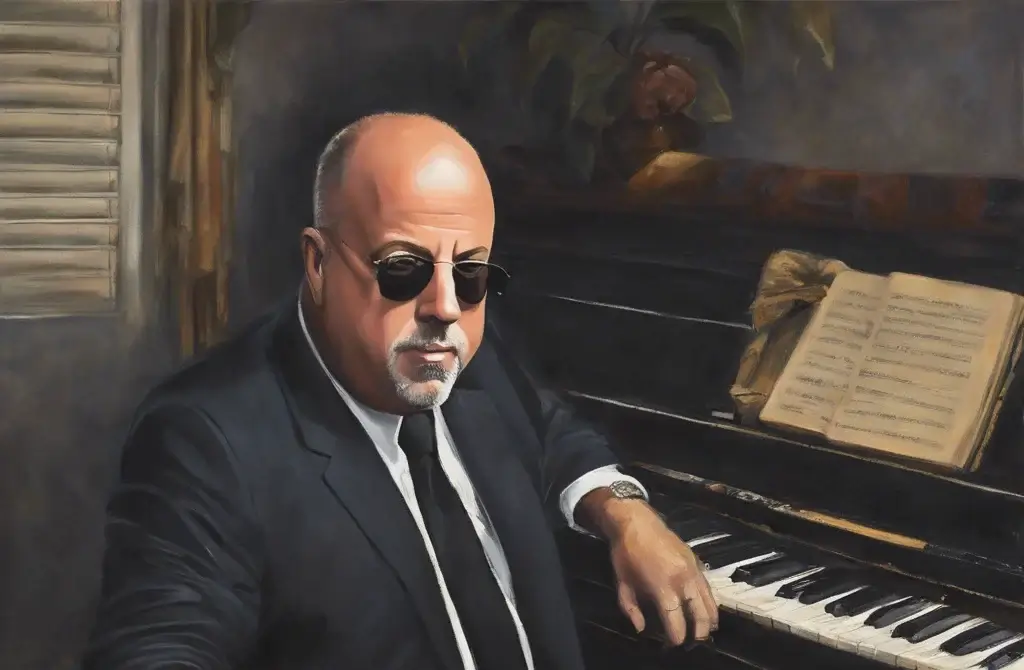
Billy Joel, known as the “Piano Man,” rose to fame in the 1970s with his unique blend of rock and pop. Born in New York, Joel’s musical journey began early in life, leading to his breakthrough in 1973.
His self-titled album “Piano Man” put him on the map, with the title track becoming his signature song. Joel’s talent for crafting catchy melodies and relatable lyrics resonated with audiences across America.
Throughout the decade, Joel released several hit albums. “The Stranger” (1977) became his most successful work of the era, featuring classics like “Just the Way You Are” and “Movin’ Out (Anthony’s Song).”
Joel’s piano skills and distinctive voice set him apart from other artists of the time. He tackled various musical styles, from ballads to upbeat rock tunes, showcasing his versatility as a performer.
By the end of the 1970s, Billy Joel had established himself as one of the top male artists of the decade. His music continues to influence and inspire new generations of musicians.
Top Billboard position for “Piano Man”: #25
16: Eric Clapton
Eric Clapton is a legendary guitarist and singer who made a big impact in the 1970s. He started the decade as a member of Derek and the Dominos, creating the iconic song “Layla”.
After the band broke up, Clapton began a successful solo career. He released several hit albums throughout the 70s, including “461 Ocean Boulevard” and “Slowhand”.
Clapton’s guitar skills and bluesy voice helped him stand out. He wrote many popular songs during this time, like “Wonderful Tonight” and “Cocaine”.
His music often mixed rock, blues, and pop styles. This allowed him to reach a wide audience and become one of the most influential artists of the decade.
Clapton’s talent and hard work paid off. He became known as one of the best guitarists in the world. His nickname “Slowhand” stuck with fans and fellow musicians alike.
Top Billboard position for “Layla”: #10
17: Bob Marley
Bob Marley was a Jamaican singer and songwriter who became an icon of reggae music in the 1970s. His unique blend of reggae, ska, and rocksteady captured audiences worldwide.
Marley’s band, Bob Marley & The Wailers, released hit albums like “Catch a Fire” and “Exodus” during this decade. These records helped bring reggae music to international fame.
His songs often touched on themes of love, spirituality, and social justice. Tracks like “No Woman, No Cry” and “I Shot the Sheriff” became instant classics.
Marley’s powerful vocals and magnetic stage presence made him a captivating performer. He spread messages of peace and unity through his music, gaining a devoted global following.
Despite his growing fame, Marley stayed true to his roots and continued to address issues affecting his homeland of Jamaica in his songs.
His influence extended beyond music, as he became a symbol of Jamaican culture and Rastafarian beliefs.
Top Billboard position: “Roots, Rock, Reggae” reached #51 on the U.S. pop charts.
18: Mick Jagger
Mick Jagger is a rock legend who rose to fame in the 1970s. As the lead singer of The Rolling Stones, he became one of the most influential figures in rock music.
Jagger’s distinctive voice and energetic performances made him a standout artist. His stage presence and charisma captivated audiences around the world.
In the 70s, Jagger expanded his horizons beyond The Rolling Stones. He starred in the 1970 film Performance, showing his talent as an actor.
Jagger’s personal life also kept him in the spotlight. His relationship with model Jerry Hall added to his rock star image.
Throughout the decade, Jagger collaborated with other artists. He sang backing vocals on Carly Simon’s hit “You’re So Vain” and worked with David Bowie and Michael Jackson.
By the end of the 1970s, Mick Jagger had secured his place as one of the era’s best male singers. His impact on rock music continues to be felt today.
Top Billboard position: #1 (with The Rolling Stones, “Brown Sugar”, 1971)
19: Peter Frampton
Peter Frampton made a big splash in the 1970s music scene. He started as a member of rock bands like the Herd and Humble Pie.
Frampton’s solo career took off with his live album “Frampton Comes Alive!” It became a huge hit in 1976. The album featured his famous talk box guitar effect.
His signature song “Do You Feel Like We Do” became a concert favorite. Fans loved its catchy riff and Frampton’s guitar skills.
Born in England, Frampton later moved to America. He continued making music and working with other artists throughout his career.
Frampton’s wavy hair and unbuttoned shirts made him a 1970s poster boy. But his talent went beyond his looks. He was known for his guitar playing and songwriting abilities.
Top Billboard position for “Do You Feel Like We Do”: #10
20: Lou Reed
Lou Reed was a key figure in 1970s rock music. He first gained fame as the lead singer of The Velvet Underground. In the 70s, Reed launched a successful solo career.
Reed’s unique style blended rock with avant-garde elements. His lyrics often explored dark themes and city life. This made him a favorite among critics and fellow musicians.
In 1972, Reed released his most famous album, “Transformer.” It featured his biggest hit, “Walk on the Wild Side.” The song’s daring lyrics and catchy melody made it a radio favorite.
Reed’s influence extended beyond his own music. He inspired many punk and alternative rock artists. His raw, honest approach to songwriting left a lasting mark on the music world.
Throughout the 70s, Reed continued to push boundaries. He released experimental albums like “Berlin” and “Metal Machine Music.” These works showed his willingness to take risks and challenge his audience.
Top Billboard position for “Walk on the Wild Side”: #16
21: Tom Petty
Tom Petty burst onto the music scene in the 1970s with his band, The Heartbreakers. His unique blend of rock and roll, with hints of folk and country, captured the hearts of many fans.
Petty’s distinctive voice and songwriting skills set him apart from other artists of the era. He crafted catchy tunes that spoke to everyday experiences and emotions.
The band’s self-titled debut album came out in 1976. It featured the hit single “Breakdown,” which showcased Petty’s knack for memorable melodies and lyrics.
In 1978, Tom Petty and the Heartbreakers released their second album, “You’re Gonna Get It!” This record further solidified their place in the rock world.
Petty’s music often told stories that resonated with listeners. His honest approach to songwriting earned him a loyal fanbase that grew throughout the decade.
While Petty’s biggest commercial success came in the 1980s, his work in the 70s laid the foundation for his future stardom. He proved himself as a talented musician and songwriter during this time.
Top Billboard position: “Breakdown” reached No. 40 on the Billboard Hot 100 chart.
22: Phil Collins
Phil Collins rose to fame as the drummer and later lead singer of the rock band Genesis. He joined the group in 1970, initially as a drummer, but took over as lead vocalist after Peter Gabriel’s departure in 1975.
Collins’ distinctive voice and drumming skills helped shape Genesis’ sound in the late 1970s. The band’s 1978 album “…And Then There Were Three…” marked a shift towards more radio-friendly pop-rock.
As a solo artist, Collins released his debut album “Face Value” in 1981. The album’s lead single, “In the Air Tonight,” became a massive hit and showcased his talent as a solo performer.
Collins’ work with Genesis and his early solo career in the 1970s laid the foundation for his incredible success in the 1980s. His blend of pop, rock, and progressive elements set him apart from other artists of the era.
Top Billboard position for “In the Air Tonight”: #19 on the Billboard Hot 100 chart.
23: Willie Nelson
Willie Nelson is a country music legend who rose to fame in the 1970s. His unique voice and songwriting style set him apart from other artists of the era.
Nelson’s career took off with the release of his album “Red Headed Stranger” in 1975. This concept album featured his hit song “Blue Eyes Crying in the Rain.”
His music blended country, folk, and rock elements, creating a sound that appealed to a wide audience. Nelson’s distinctive vocals and guitar playing became his trademark.
Throughout the 1970s, Nelson released many popular songs. Some of his best-known tracks include “On the Road Again” and “Georgia on My Mind.”
Nelson’s talent extended beyond singing. He wrote songs for other artists and acted in movies. His versatility helped him become one of the most influential talents in country music.
Top Billboard position: “Blue Eyes Crying in the Rain” reached #1 on the Hot Country Singles chart in 1975.
24: Robert Plant
Robert Plant is a legendary rock singer born on August 20, 1948. He gained fame as the lead vocalist of Led Zeppelin, one of the most influential bands of the 1970s.
Plant’s powerful voice and dynamic stage presence made him a rock icon. His high-pitched wails and bluesy growls became a signature sound of the era.
With Led Zeppelin, Plant created timeless hits like “Stairway to Heaven” and “Whole Lotta Love.” These songs showcased his incredible vocal range and emotional delivery.
After Led Zeppelin broke up in 1980, Plant launched a successful solo career. He continued to evolve as an artist, exploring different musical styles.
Plant’s impact on rock music earned him many accolades. He was inducted into the Rock and Roll Hall of Fame as a member of Led Zeppelin in 1995.
Top Billboard position: “Stairway to Heaven” reached #8 on the Mainstream Rock chart in 1977.
25: Steve Miller

Steve Miller made his mark on 1970s rock with catchy hits and a distinctive guitar sound. As the leader of the Steve Miller Band, he blended blues, rock, and pop to create a unique style.
Miller’s musical journey began in the 1960s, but he hit his stride in the following decade. His band’s breakthrough came with the album “The Joker” in 1973.
The title track “The Joker” became a number one hit and showcased Miller’s talent for crafting memorable lyrics and melodies. It mixed playful wordplay with a laid-back groove that captured the spirit of the times.
Miller continued his hot streak with albums like “Fly Like an Eagle” and “Book of Dreams”. These records spawned more chart-topping singles and cemented his place in rock history.
Songs like “Take the Money and Run” and “Rock’n Me” became radio staples. They featured Miller’s smooth vocals and guitar work, backed by tight band performances.
Miller’s music had a wide appeal, attracting both rock fans and pop listeners. His songs often told stories or painted vivid pictures, making them easy to connect with.
Top Billboard position for “The Joker”: #1
26: George Harrison

George Harrison made his mark as a solo artist in the 1970s after the Beatles broke up. He was known as the “quiet Beatle” but found his voice with his own music.
Harrison’s first solo album after the Beatles, “All Things Must Pass,” came out in 1970. It was a huge hit and showed off his songwriting skills.
His song “My Sweet Lord” became very popular. It mixed pop music with Indian sounds that Harrison loved. Many fans liked how he brought different styles together.
Harrison also helped other musicians. He put on the Concert for Bangladesh in 1971. It was one of the first big charity concerts ever.
Throughout the 1970s, Harrison kept making music. He had hits like “Give Me Love (Give Me Peace on Earth)” and “Got My Mind Set on You.”
Harrison wasn’t just about music. He also liked to make movies and was part of the comedy group Monty Python.
Top Billboard position for “My Sweet Lord”: #1
27: Jackson 5
The Jackson 5 was a family band that took the 1970s by storm. These five brothers from Gary, Indiana, brought a fresh sound to pop music with their catchy tunes and impressive harmonies.
Michael Jackson, the youngest member, often took center stage with his incredible vocals and dance moves. His brothers Jermaine, Tito, Marlon, and Jackie complemented his performances perfectly.
The group’s early hits like “I Want You Back” and “ABC” showcased their talent for blending pop, soul, and funk. These songs became instant classics and are still loved today.
Throughout the 70s, the Jackson 5 continued to release popular singles. “Never Can Say Goodbye” and “Dancing Machine” kept fans grooving to their infectious beats.
The Jackson 5’s influence extended beyond music. They inspired many young African American artists and paved the way for future boy bands.
Their energetic performances on TV shows and live concerts helped them build a devoted fan base. The group’s matching outfits and synchronized dance routines became their trademark.
Top Billboard position: “I Want You Back” reached #1 on the Hot 100 chart in 1970.
28: Cat Stevens
Cat Stevens was a popular singer-songwriter in the 1970s. He released several hit albums during this decade, including “Tea for the Tillerman” and “Teaser and the Firecat.”
Born Steven Demetre Georgiou, he later changed his name to Yusuf Islam. His music blended folk, rock, and pop styles, creating a unique sound that resonated with many listeners.
Stevens wrote and performed many well-known songs. Some of his most famous tracks include “Wild World,” “Father and Son,” and “Peace Train.” These tunes showcased his thoughtful lyrics and gentle melodies.
His album “Teaser and the Firecat” reached No. 2 on the U.S. charts in 1972. This success helped cement his place as one of the decade’s most influential artists.
Throughout the 1970s, Cat Stevens continued to create music that touched people’s hearts. His songs often explored themes of spirituality, personal growth, and the human experience.
Top Billboard position: No. 2 (Album: “Teaser and the Firecat”)
29: Bob Seger
Bob Seger rocked the 1970s with his gritty voice and heartland rock style. He started his career in Detroit and gained national fame with his 1976 album Night Moves.
Seger’s music blended rock, country, and blues influences. His songs often told stories of working-class life and youthful experiences.
Some of Bob’s biggest hits from the 70s include “Night Moves,” “Still the Same,” and “We’ve Got Tonight.” These tracks showcased his talent for writing catchy melodies and relatable lyrics.
Seger’s band, the Silver Bullet Band, backed him on many of his popular recordings. Their tight musicianship complemented Bob’s powerful vocals perfectly.
Bob Seger ranked among the top male singers of the 1970s, earning fans with his authentic sound and energetic live performances. His music continues to resonate with listeners today.
Top Billboard position for “Night Moves”: #4
30: Elvis Presley
Elvis Presley, the King of Rock and Roll, continued to make waves in the 1970s. Despite his declining health, he released several hit songs during this decade.
One of his standout tracks was “Burning Love” in 1972. This upbeat rock song showcased Elvis’s powerful vocals and energetic performance style.
Elvis also found success with ballads in the 70s. “The Wonder of You” became a fan favorite, highlighting his ability to connect with audiences through emotional performances.
In 1970, Elvis released “You Don’t Have to Say You Love Me,” a cover of Dusty Springfield’s hit. His version brought new life to the song with his distinctive vocal style.
Elvis’s live performances remained popular throughout the decade. He continued to draw large crowds to his Las Vegas residencies and tours across the United States.
Though his later years were marked by health issues, Elvis left a lasting impact on music in the 1970s. His influence can still be felt in rock, country, and pop music today.
Top Billboard position for “Burning Love”: #2
31: Ozzy Osbourne
Ozzy Osbourne rose to fame as the lead singer of Black Sabbath in the 1970s. He helped shape the sound of heavy metal with his powerful vocals and wild stage presence.
Born in Birmingham, England, Osbourne grew up in a working-class family. He joined Black Sabbath in 1968, and the band released their first album in 1970.
Black Sabbath’s dark, heavy sound struck a chord with fans. Their self-titled debut album reached number 8 on the UK charts. The band went on to release several hit albums throughout the decade.
Osbourne’s unique voice became a trademark of Black Sabbath’s music. His haunting wails and energetic performances made him a standout frontman.
In 1979, Osbourne left Black Sabbath to pursue a solo career. This move would lead to even greater success in the 1980s and beyond.
Osbourne’s impact on rock music in the 1970s can’t be overstated. He helped create a new genre and inspired countless musicians who followed.
Top Billboard position: Black Sabbath’s “Paranoid” reached #61 on the Hot 100 chart in 1971.
32: Joe Cocker
Joe Cocker was a famous English singer known for his raspy voice and energetic stage presence. He rose to fame in the 1960s and continued to be a major force in music throughout the 1970s.
Cocker’s unique style involved passionate performances and expressive body movements. He often took other artists’ songs and made them his own with his gritty, bluesy vocals.
In 1970, Cocker released the live album “Mad Dogs & Englishmen,” which captured his powerful concert performances. The album documented four shows at New York’s Fillmore East.
Some of Cocker’s most popular songs from the 1970s include “Feelin’ Alright?” and “Unchain My Heart.” These tracks showcased his ability to interpret and reimagine songs written by other artists.
Throughout his career, Cocker collaborated with many talented musicians. He worked with pianists like Chick Corea and Herbie Hancock, adding depth to his musical repertoire.
Top Billboard position: “You Are So Beautiful” reached #5 on the Hot 100 chart in 1975.
33: Roy Orbison
Roy Orbison was a unique voice in 1970s music. His distinctive three-octave range and emotional performances set him apart from other artists of the era.
Orbison’s career had slowed in the early 1970s, but he continued to create music. He released several albums during this time, including “Roy Orbison Sings” in 1972.
His live performances remained popular throughout the decade. Fans loved his powerful ballads and rock anthems.
Orbison’s signature look with dark sunglasses and black clothes became iconic. This image helped him stand out in the colorful 1970s music scene.
While he didn’t have major hits in this decade, Orbison’s influence on music remained strong. His earlier songs like “Oh, Pretty Woman” continued to be played and loved.
Orbison’s talent was recognized by his peers. He collaborated with other big names in music during this time.
Top Billboard position: “Oh, Pretty Woman” reached #1 in 1964.
34: David Essex
David Essex burst onto the music scene in the 1970s with his distinctive voice and charming looks. Born in London in 1947, he started his career as an actor before finding success in music.
Essex’s breakthrough came with his hit single “Rock On” in 1973. The song showcased his unique vocal style and catchy songwriting. It became an international success, reaching the top of charts in many countries.
He followed up with more hits throughout the decade. Songs like “Lamplight” and “Hold Me Close” cemented his status as a popular 70s male artist. Essex’s music blended rock, pop, and ballads, appealing to a wide audience.
Besides his music career, Essex continued to act. He starred in musicals like “Godspell” and “Evita” on the West End stage. This versatility helped him maintain his popularity throughout the decade.
Essex’s good looks and charismatic performances made him a teen idol. He released several successful albums and toured extensively during the 1970s. His impact on the music industry of that era remains significant.
Top Billboard position for “Rock On”: #5
35: Alice Cooper
Alice Cooper is a rock legend who made a big splash in the 1970s. He’s known for his wild stage shows and spooky songs.
Born Vincent Furnier, Cooper took on his stage name and became a shock rock icon. His raspy voice and crazy antics made him stand out from other musicians.
Cooper’s shows were like nothing else. He used fake blood, electric chairs, and even snakes to shock audiences. His props and stage illusions became a big part of his act.
Some of Cooper’s best-known songs came out in the 70s. “School’s Out” became an anthem for kids everywhere. “I’m Eighteen” spoke to teenagers about growing up.
Cooper’s band broke up in 1975, but he kept making music on his own. He continued to put out hit albums and tour throughout the decade.
Many people call Alice Cooper the “Godfather of Shock Rock.” His influence can still be seen in rock music today.
Top Billboard position for “School’s Out”: #7
36: Bryan Ferry
Bryan Ferry rose to fame in the 1970s as the lead singer of Roxy Music. His smooth vocals and stylish image made him a standout artist of the decade.
Ferry’s solo career took off alongside his work with Roxy Music. He released several albums and singles that showcased his unique voice and artistic vision.
His cover of Bob Dylan’s “A Hard Rain’s A-Gonna Fall” became a hit in 1973. Ferry transformed the folk anthem into a catchy pop tune, earning him a spot in the UK Top 10.
Ferry’s music blended elements of glam rock, pop, and art rock. His sophisticated style and suave persona made him a fashion icon as well as a musical trendsetter.
Throughout the decade, Ferry continued to create both solo work and albums with Roxy Music. His contributions helped shape the sound of 70s rock and pop music.
Top Billboard position: “A Hard Rain’s A-Gonna Fall” reached #10 on the UK Singles Chart in 1973.
37: Robin Gibb
Robin Gibb was a British singer and songwriter who found fame as a member of the Bee Gees. He was born on December 22, 1949, on the Isle of Man.
Robin formed the Bee Gees with his twin brother Maurice and older brother Barry. The group became one of the most successful acts of the 1970s.
Robin’s distinctive voice added depth to the Bee Gees’ sound. He often sang lead vocals on their songs, alternating with Barry.
The Bee Gees had many hits in the 1970s. Some of their most famous songs include “Stayin’ Alive” and “How Deep Is Your Love.”
Robin also had a successful solo career. He released several albums and singles on his own.
His talent extended beyond singing. Robin was a skilled songwriter who helped create many of the Bee Gees’ biggest hits.
Robin Gibb passed away on May 20, 2012, leaving behind a rich musical legacy. His contributions to 1970s music continue to be celebrated today.
Top Billboard position: The Bee Gees’ “Stayin’ Alive” reached #1 on the Billboard Hot 100 in 1978.
38: Don Henley
Don Henley rose to fame as a founding member of the Eagles in the 1970s. He was the band’s drummer and shared lead vocal duties with Glenn Frey.
Henley’s distinctive voice became a hallmark of the Eagles’ sound. He sang lead on many of their hit songs, including “Desperado” and “Hotel California.”
As a songwriter, Henley co-wrote many of the Eagles’ biggest hits. His collaboration with Glenn Frey produced some of the decade’s most memorable tunes.
One of Henley’s standout performances was on “Life in the Fast Lane.” The song showcased his powerful vocals and drumming skills.
Henley’s contributions helped the Eagles become one of the best-selling bands of all time. Their blend of rock and country music defined the 1970s California sound.
Billboard Hot 100 peak position for “Hotel California”: #1
39: John Lennon
John Lennon was a musical icon of the 1970s. He first gained fame as a member of The Beatles but continued to make his mark as a solo artist after the band’s breakup.
Lennon’s solo career kicked off with the release of his album “John Lennon/Plastic Ono Band” in 1970. This raw and emotional record set the tone for his future work.
His most famous solo song, “Imagine,” came out in 1971. It became an anthem for peace and remains popular today. The tune’s simple melody and hopeful lyrics touched many hearts.
Lennon’s music often had political themes. He wasn’t afraid to speak his mind through his songs. This made him both loved and sometimes controversial.
In the 1970s, Lennon also became known for his activism. He and his wife Yoko Ono held “bed-ins” for peace and wrote protest songs.
Lennon’s career was cut short in 1980 when he was tragically killed. But his impact on music and culture lives on.
Top Billboard position for “Imagine”: #3
40: Paul Simon
Paul Simon made his mark as a solo artist in the 1970s after his split from Art Garfunkel. He released three hit albums during this decade, showcasing his unique songwriting style and poetic lyrics.
Simon’s first solo album, “Paul Simon,” came out in 1972. It featured the popular song “Mother and Child Reunion,” which blended reggae influences with folk-rock.
In 1975, he released “Still Crazy After All These Years.” This album won a Grammy for Album of the Year and included the hit single “50 Ways to Leave Your Lover”.
Simon’s talent for combining different musical styles was evident in his work. He drew inspiration from various genres, including folk, rock, and world music.
His songwriting often explored themes of love, loss, and social issues. Simon’s clever wordplay and introspective lyrics resonated with many listeners.
Throughout the 70s, Simon continued to evolve as an artist. He experimented with different sounds and collaborations, setting the stage for his future musical endeavors.
Top Billboard position for “50 Ways to Leave Your Lover”: #1
41: Iggy Pop
Iggy Pop rocked the 1970s music scene with his wild stage antics and raw musical style. He first gained fame as the frontman of The Stooges, a band that helped shape punk rock.
Pop’s solo career took off in the 70s. He worked with David Bowie on albums like “The Idiot” and “Lust for Life.” These records showed off his unique voice and edgy songwriting.
His high-energy performances became legendary. Pop often performed shirtless, diving into crowds and rolling around on stage. He pushed boundaries and inspired many future rock stars.
The song “Lust for Life” became one of Pop’s biggest hits. Its driving beat and catchy chorus made it instantly memorable. It’s still used in movies and TV shows today.
Pop’s influence on rock music can’t be overstated. He helped pave the way for punk and alternative rock genres. Many artists cite him as a major inspiration.
Top Billboard position for “Lust for Life”: The song did not chart on the Billboard Hot 100.
42: Gerry Rafferty
Gerry Rafferty was a talented Scottish singer and songwriter who made his mark in the 1970s. He started his career as a founding member of the folk-rock band Stealers Wheel.
With Stealers Wheel, Rafferty co-wrote and sang the hit song “Stuck in the Middle with You”. This catchy tune became a classic of the era and remains popular today.
After leaving the band, Rafferty launched a successful solo career. His 1978 album “City to City” featured his biggest hit, “Baker Street.” The song’s memorable saxophone riff and Rafferty’s smooth vocals made it an instant favorite.
Rafferty’s unique style blended folk, rock, and pop elements. He had a knack for crafting melodic tunes with thoughtful lyrics. His warm voice and skilled guitar playing added depth to his music.
Other popular songs by Rafferty include “Right Down the Line” and “Night Owl”. These tracks showcased his ability to write both upbeat and mellow songs.
Billboard Hot 100 peak position for “Baker Street”: #2
43: Harry Nilsson
Harry Nilsson was a talented singer-songwriter who made his mark in the 1970s. His unique voice and creative songwriting set him apart from other artists of the era.
Nilsson’s career took off with his 1971 album “Nilsson Schmilsson.” This record included his biggest hit, “Without You,” which topped charts worldwide.
He was known for his impressive vocal range and ability to blend different musical styles. Nilsson could effortlessly switch between tender ballads and upbeat pop tunes.
His friendship with The Beatles, especially John Lennon and Ringo Starr, influenced his music and career. Some even called him “the American Beatle” due to these close connections.
Nilsson’s talent didn’t go unnoticed. He won Grammy awards for his performances and was praised by music critics for his vocal abilities.
Despite his success, Nilsson remained somewhat of a cult figure. His unique approach to music and reluctance to perform live contributed to this status.
Top Billboard position: “Without You” reached #1 on the Billboard Hot 100 in 1972.
44: John Denver
John Denver was a beloved American singer-songwriter who rose to fame in the 1970s. Born Henry John Deutschendorf Jr., he adopted the stage name John Denver early in his career.
Denver’s music blended folk, country, and pop styles, creating a unique sound that resonated with millions of fans. His clear tenor voice and heartfelt lyrics often celebrated nature and the simple joys of life.
Some of Denver’s most popular songs include “Take Me Home, Country Roads,” “Rocky Mountain High,” and “Sunshine on My Shoulders.” These hits helped establish him as one of the bestselling artists of the 1970s.
Denver’s impact went beyond music. He was an environmentalist and humanitarian, using his platform to raise awareness for various causes. His gentle demeanor and positive messages made him a favorite among audiences of all ages.
Tragically, Denver passed away in a plane crash in 1997. His legacy lives on through his music, which continues to inspire new generations of listeners.
Top Billboard position: “Sunshine on My Shoulders” reached #1 on the Hot 100 chart in 1974.
45: Nick Drake
Nick Drake was an English singer-songwriter who made a big impact on folk music in the 1970s. He had a unique, soft voice and was great at playing the guitar.
Drake put out three albums during his short career. His first album, “Five Leaves Left,” came out in 1969. It showed off his talent for writing deep, poetic songs.
His second album, “Bryter Layter,” came out in 1971. It had a fuller sound with more instruments. Many fans consider it his best work.
Drake’s last album, “Pink Moon,” was released in 1972. It was very simple, with just his voice and guitar. This album has become a classic over time.
Sadly, Nick Drake didn’t get much fame while he was alive. He died in 1974 at the young age of 26. Since then, more people have discovered his music and he’s now seen as an important artist.
Drake’s songs are known for being sad and beautiful. His guitar playing was special, using unusual tunings to create interesting sounds.
Top Billboard position: Nick Drake’s songs did not chart on the Billboard Hot 100 during his lifetime.
46: Jim Morrison
Jim Morrison was the lead singer of the rock band The Doors. He was known for his powerful voice and energetic stage presence. Morrison’s poetic lyrics and charismatic personality made him a music icon of the 1970s.
Born in 1943, Morrison helped form The Doors in Los Angeles in 1965. The band quickly rose to fame with hits like “Light My Fire” and “Break On Through (To the Other Side).”
Morrison’s deep, baritone voice and rebellious attitude captivated audiences. He often pushed boundaries during live performances, sometimes getting into trouble with the law.
Sadly, Morrison’s life was cut short. He died in Paris in 1971 at the age of 27. Despite his brief career, his impact on rock music was huge.
The Doors’ song “Light My Fire” reached the top Billboard position of #1 in 1967.
47: David Cassidy
David Cassidy was a popular singer and actor in the 1970s. He gained fame for his role as Keith Partridge in the TV show “The Partridge Family.” This role made him a teen idol and launched his music career.
Cassidy’s good looks and charm won the hearts of many fans. His voice was smooth and pleasant, perfect for the pop songs of the era. He released several hit singles during his time on the show.
After “The Partridge Family” ended, Cassidy continued his music career. He performed concerts and released albums throughout the 1970s. His popularity remained strong, especially with young female fans.
One of Cassidy’s biggest hits was “I Think I Love You.” This catchy tune showcased his vocals and became a fan favorite. It reached number one on the Billboard Hot 100 chart in 1970.
Top Billboard position for “I Think I Love You”: #1
48: Daryl Hall
Daryl Hall is a talented singer-songwriter who rose to fame in the 1970s. He’s best known as one half of the popular duo Hall & Oates.
Hall’s musical journey began in the early 70s when he teamed up with John Oates. Together, they created a unique blend of rock, R&B, and soul that captivated audiences.
Their breakthrough came with the hit single “She’s Gone” in 1974. This song showcased Hall’s powerful vocals and emotional delivery.
Throughout the decade, Hall continued to evolve as an artist. He experimented with different musical styles and pushed the boundaries of pop music.
In 1980, Hall released his first solo album, “Sacred Songs.” This project allowed him to explore his individual creativity outside of the duo.
Hall’s distinctive voice and songwriting skills made him a standout artist of the 70s. His influence can still be felt in music today.
Top Billboard position for “She’s Gone”: No. 60 (originally), later re-released and reached No. 7
49: Bernie Taupin
Bernie Taupin is a legendary English lyricist best known for his long-standing partnership with Elton John. Born in 1950, Taupin’s words have given life to some of the most beloved songs of the 1970s and beyond.
Taupin and John began working together in 1967, forming one of the most successful songwriting duos in music history. Their collaboration produced numerous hits throughout the 1970s, including “Your Song,” “Rocket Man,” and “Tiny Dancer.”
While not a performer himself, Taupin’s impact on 1970s music was immense. His lyrics, paired with John’s melodies, helped shape the sound of the decade and contributed to Elton John’s rise to stardom.
Taupin’s talent wasn’t limited to his work with Elton John. He also wrote lyrics for other artists, expanding his influence in the music industry. His ability to craft meaningful, relatable lyrics made him a sought-after collaborator.
Top Billboard position: While Bernie Taupin didn’t chart as a solo artist, his lyrics for Elton John’s “Crocodile Rock” reached #1 on the Billboard Hot 100 in 1973.
50: Tom Waits
Tom Waits emerged as a unique voice in the 1970s music scene. His gravelly vocals and poetic lyrics set him apart from other artists of the era.
Waits started his career in the early 1970s as a folk musician. He quickly gained a following with his raw, honest sound and storytelling abilities.
His music often focused on life’s underdogs and misfits. Waits painted vivid pictures of late-night diners, dive bars, and forgotten streets in his songs.
Waits released several albums in the 1970s, including “Closing Time” and “Small Change.” These records showcased his unique blend of jazz, blues, and folk influences.
One of his most famous songs from this period is “Ol’ ’55.” It gained wider recognition when The Eagles covered it, helping to spread Waits’ music to a broader audience.
While Waits didn’t achieve massive commercial success in the 70s, he built a devoted fan base. His influence on other musicians and his artistic integrity made him a respected figure in the industry.
Top Billboard position: None charted in the 1970s.
51: Jeff Beck
Jeff Beck was a guitar virtuoso who made his mark in the 1970s. His unique style blended rock, jazz, and blues into a sound all his own.
Beck first gained fame as a member of the Yardbirds in the 1960s. He then launched a successful solo career in the following decade.
His 1975 album “Blow by Blow” showcased his instrumental prowess. It featured Beck’s dazzling solos and innovative playing techniques.
Beck collaborated with many other top artists. He worked with pianists like Chick Corea and Herbie Hancock, adding his guitar magic to their jazz fusion sound.
His friendship with ZZ Top’s Billy Gibbons led to some memorable live performances. They played together on stage, with Beck adding his fiery guitar work to ZZ Top’s hits.
Beck’s influence on rock guitar playing was huge. He inspired countless other musicians with his creativity and technical skill.
Top Billboard position: “Blow by Blow” reached #4 on the Billboard 200 chart.
52: Don McLean
Don McLean made a huge splash in the 1970s music scene. He’s best known for his epic song “American Pie”, which became a cultural touchstone.
McLean started out in folk music. He played free shows to help clean up the Hudson River. His first album, Tapestry, came out in 1970.
But it was his 1971 hit “American Pie” that shot him to stardom. The song is over 8 minutes long and packed with symbolism. Fans still debate its meaning today.
McLean had other hits too. “Vincent”, a tribute to painter Vincent van Gogh, was another popular song. “And I Love You So” became a hit when Perry Como covered it.
His music mixed folk, rock, and pop styles. McLean’s clear voice and thoughtful lyrics set him apart from other artists of the time.
Top Billboard position for “American Pie”: #1
53: Gregg Allman
Gregg Allman was a key figure in 1970s rock music. He co-founded the Allman Brothers Band, which blended rock, blues, and country sounds. His soulful voice and keyboard skills made him stand out.
Allman wrote many of the band’s popular songs. “Whipping Post” and “Melissa” are two of his most famous compositions. These tunes showed off his talents as both a writer and performer.
In 1973, Allman started a solo career alongside his work with the band. His first solo album, “Laid Back,” came out that year. It gave fans a chance to hear his talents outside the group setting.
Allman’s music often dealt with personal struggles and emotions. His raspy, bluesy voice became his trademark. It added depth and feeling to the songs he sang.
Throughout the 1970s, Allman continued to perform with the Allman Brothers Band and as a solo artist. His contributions helped shape the sound of Southern rock during this era.
Top Billboard position: “Midnight Rider” reached No. 19 on the Hot 100 chart in 1974.
54: Neil Diamond
Neil Diamond was a standout singer-songwriter of the 1970s. His powerful voice and catchy tunes made him a household name.
Diamond’s career took off in the early 70s with hits like “Sweet Caroline” and “Cracklin’ Rosie.” These songs became fan favorites and are still popular today.
In 1972, Diamond released “Hot August Night,” a live album that captured his electric stage presence. The album was a huge success and showed off his talent as a live performer.
Diamond’s music blended pop, rock, and folk styles. His songs often told stories that connected with listeners on a deep level.
Throughout the decade, Diamond continued to produce hit after hit. Songs like “Song Sung Blue” and “I Am… I Said” topped the charts and won him new fans.
By the end of the 70s, Neil Diamond had become one of the best-selling artists of all time. His unique sound and heartfelt lyrics left a lasting mark on music history.
Top Billboard position: “Cracklin’ Rosie” reached #1 on the Hot 100 chart in 1970.
55: Johnny Cash
Johnny Cash was a legendary country singer who left his mark on the 1970s music scene. His deep, distinctive voice and storytelling lyrics made him a favorite among fans.
Cash’s career spanned many decades, but he remained relevant in the 70s. He released several hit albums during this time, showcasing his enduring talent and appeal.
One of Cash’s most iconic songs from the era was “Man in Black.” This powerful track addressed social issues and became an anthem for his image and beliefs.
Cash also made waves with his live performances. His concerts at prisons, like Folsom and San Quentin, were especially memorable and cemented his status as an outlaw country star.
In the early 70s, Cash hosted his own TV show, “The Johnny Cash Show.” This program featured many famous guest stars and helped introduce country music to a wider audience.
Despite personal struggles, Cash continued to create meaningful music throughout the decade. His honest lyrics and raw emotions resonated with listeners across genres.
Top Billboard position: Cash’s song “A Thing Called Love” reached No. 2 on the country charts in 1972.
56: Steven Tyler
Steven Tyler burst onto the music scene in the 1970s as the lead singer of Aerosmith. His unique vocal style and energetic stage presence quickly made him a rock icon.
Tyler’s powerful voice and wide vocal range helped Aerosmith become one of the decade’s biggest bands. Their mix of hard rock and blues-influenced sounds appealed to a broad audience.
The band’s 1975 hit “Sweet Emotion” showcased Tyler’s dynamic vocals. His ability to switch from raspy growls to high-pitched screams became his trademark.
Tyler’s flamboyant style and charismatic performances made him stand out. His colorful outfits and long scarves became synonymous with 70s rock fashion.
Aerosmith’s popularity soared with their 1976 album “Rocks.” It featured hit singles like “Back in the Saddle” and “Last Child,” further cementing Tyler’s status as a rock legend.
Top Billboard position for “Sweet Emotion”: #36
57: Lionel Richie
Lionel Richie became a music icon in the 1970s. He started his career as part of the Motown group Commodores. His smooth voice and songwriting skills helped the band gain popularity.
Richie wrote and sang some of the Commodores’ biggest hits. Songs like “Easy,” “Three Times a Lady,” and “Still” showcased his talent. These tunes blended funk, soul, and R&B styles.
His versatility as a musician set him apart. Richie could perform different genres with ease. This skill would later help him in his solo career.
By the end of the 1970s, Richie was ready for new challenges. He began writing songs for other artists, which paved the way for his future success as a solo performer.
Richie’s work in the 70s laid the groundwork for his 80s stardom. His time with the Commodores proved he had what it took to be a leading man in music.
Top Billboard position: “Three Times a Lady” reached #1 on the Hot 100 chart in 1978.
58: Gene Simmons
Gene Simmons is a rock icon best known as the bassist and co-founder of Kiss. He helped form the band in 1973, and they quickly became one of the biggest acts of the decade.
Simmons is famous for his on-stage persona “The Demon.” His wild makeup, long tongue, and fire-breathing stunts made him stand out. He played a big part in Kiss becoming known for their elaborate live shows.
Off-stage, Simmons was a smart businessman. He helped turn Kiss into a merchandising powerhouse. The band’s logo appeared on everything from lunch boxes to coffins.
Simmons wrote and performed on many Kiss hits in the 70s. Some of his favorite songs from that era include tracks by other artists like Aerosmith and Led Zeppelin.
While Kiss was his main focus, Simmons also tried his hand at acting. He appeared in a few movies and TV shows during the 70s.
Top Billboard position: Kiss reached #11 on the Hot 100 with “Beth” in 1976.
59: James Taylor
James Taylor is a beloved singer-songwriter who made a big impact in the 1970s. He’s known for his gentle voice and thoughtful lyrics. Taylor was born in 1948 and started playing guitar as a teenager.
His breakthrough came in 1970 with the hit song “Fire and Rain.” This emotional tune reached No. 3 on the charts. It showed off Taylor’s skills as both a singer and songwriter.
In 1971, Taylor had his first No. 1 hit. It was a cover of Carole King’s “You’ve Got a Friend.” This song helped cement his place as one of the decade’s top artists.
Taylor’s music blends folk, rock, and pop styles. He often writes about personal experiences and feelings. His warm, easy-going sound made him popular with many listeners.
Over his career, Taylor has won six Grammy Awards. He was also inducted into the Rock and Roll Hall of Fame in 2000. His influence on music continues today.
Top Billboard position: “You’ve Got a Friend” – No. 1 (1971)
60: Bob Dylan
Bob Dylan kept evolving his music in the 1970s. He started the decade with the country-inspired album “New Morning” in 1970.
In 1975, Dylan released “Blood on the Tracks,” one of his most praised works. The album featured songs like “Tangled Up in Blue”, showing off his poetic lyrics and storytelling skills.
Dylan’s influence went beyond his own music. Many artists covered his songs during this time. His unique voice and thought-provoking lyrics continued to inspire other musicians.
He explored different styles throughout the decade. Dylan even tried his hand at directing with the film “Renaldo and Clara” in 1978.
While his 1970s work didn’t always top the charts, it added depth to his already impressive career. Dylan proved he could keep growing as an artist long after his 1960s fame.
Top Billboard position: “Knockin’ on Heaven’s Door” reached #12 on the Hot 100 in 1973.
61: George Michael
George Michael began his music career in the 1980s as part of the duo Wham!, but his roots trace back to the 1970s. Born on June 25, 1963, in London, England, Michael showed an early passion for music.
As a teenager in the late 1970s, Michael started honing his musical skills. He formed a short-lived ska band called The Executive with his school friend Andrew Ridgeley.
Although not yet famous in the 70s, this decade laid the foundation for Michael’s future success. He spent these years developing his vocal abilities and songwriting talent.
Michael’s experiences growing up in the 1970s greatly influenced his later musical style. The pop and soul music of this era can be heard in many of his hit songs from the 80s and 90s.
While George Michael didn’t have any Billboard hits in the 1970s, his work during this time set the stage for his incredible career that followed.
62: Elvis Costello
Elvis Costello burst onto the music scene in the late 1970s with his unique blend of punk energy and clever songwriting. He quickly became known for his sharp wit and biting lyrics.
Costello’s debut album “My Aim Is True” was released in 1977. It featured his first hit single “Alison,” which showcased his talent for crafting emotionally powerful songs.
Throughout the 1970s, Costello continued to release critically acclaimed albums. His work with his backing band The Attractions helped define the new wave sound of the era.
Costello’s music often dealt with themes of love, politics, and social issues. His songwriting style was praised for its complexity and literary quality.
While Costello didn’t achieve massive commercial success in the 1970s, his influence on other musicians was significant. He helped pave the way for many alternative and indie rock artists who followed.
Elvis Costello’s highest charting song in the U.S. during his career was “Veronica,” which reached number 19 on the Billboard Hot 100 in 1989.
63: Van Halen
Van Halen burst onto the rock scene in the late 1970s with their self-titled debut album. The band’s high-energy sound and flashy performances quickly made them stars.
At the heart of Van Halen’s appeal was guitarist Eddie Van Halen. His innovative playing techniques, like two-handed tapping, changed rock guitar forever.
David Lee Roth’s charismatic vocals and wild stage presence perfectly matched the band’s party-rock vibe. Their songs ranked among the best of the era, with hits like “Runnin’ with the Devil” and “Ain’t Talkin’ ‘Bout Love.”
While Van Halen’s biggest success came in the 1980s, their 1970s work laid the foundation. They brought a fresh, exciting sound to hard rock that influenced countless bands.
Van Halen’s mix of technical skill and crowd-pleasing showmanship made them stand out. They helped bridge the gap between 1970s arena rock and 1980s glam metal.
Top Billboard position: “Dance the Night Away” reached #15 on the Hot 100 in 1979.
64: Rick Nelson
Rick Nelson started his career as a child star on the TV show “The Adventures of Ozzie and Harriet.” He quickly became a teen idol and successful recording artist in the late 1950s and early 1960s.
Nelson’s music career continued into the 1970s, though with less commercial success than his earlier years. He explored a more country-rock sound during this decade.
In 1972, Nelson released the single “Garden Party,” which became his last Top 40 hit. The song was inspired by his experience at a rock and roll revival concert where the audience rejected his new musical style.
Nelson kept touring and recording throughout the 1970s. He released several albums, including “Rudy the Fifth” in 1971 and “Windfall” in 1974.
Tragically, Rick Nelson died in a plane crash on December 31, 1985, at the age of 45. He left behind a legacy as one of the pioneering rock and roll artists of the 1950s and 1960s.
Top Billboard position for “Garden Party”: #6
65: Billy Preston
Billy Preston was a talented musician who made a big impact in the 1970s. He was known for his skills on the keyboard and his soulful voice.
Preston started playing music at a young age. By the time he was 10, he was already performing on stage with gospel singers.
In the 70s, Preston’s career took off. He worked with famous bands like the Beatles and the Rolling Stones. His funky style and upbeat songs made him popular with fans.
One of Preston’s biggest hits was “Will It Go Round in Circles.” This catchy tune showed off his piano skills and unique vocal style.
Preston also wrote and performed the song “Nothing from Nothing.” It became a fan favorite and helped cement his place in 70s music history.
His contributions to music went beyond his own songs. Preston played on albums for other artists too. This helped shape the sound of 70s rock and soul.
Billboard Hot 100 peak position for “Will It Go Round in Circles”: #1
66: Kenny Rogers
Kenny Rogers was a beloved country music star who rose to fame in the 1970s. He had a unique voice and a knack for storytelling through his songs.
Rogers started his career with the band First Edition. They had some hits in the late 1960s and early 1970s. But it was his solo work that made him a household name.
In 1977, Rogers released his self-titled album. It featured the hit song “Lucille.” This track showed off his talent for telling stories in his music.
Rogers didn’t just stick to country. He also had success in pop music. His smooth voice and catchy tunes appealed to a wide range of listeners.
Some of his other popular songs from the 1970s include “The Gambler” and “She Believes in Me.” These songs helped cement his place as a country music legend.
Kenny Rogers continued to make music for decades after the 1970s. He left a lasting mark on the music world before his passing in 2020.
Top Billboard position for “Lucille”: #5 on the Hot 100 chart.
67: Ringo Starr
Ringo Starr made his mark as a solo artist in the 1970s after the Beatles broke up. He showed he could hold his own outside the famous group.
Starr’s 1973 album “Ringo” was a big hit. It featured songs written by his former bandmates and other famous musicians.
The drummer had several popular singles during this time. “It Don’t Come Easy” was one of his first solo hits. It showed off his fun, easygoing style.
Starr’s country album “Beaucoups of Blues” came out in 1970. It didn’t sell as well as his other work, but fans still enjoy it today.
His music often had a lighthearted feel. Starr’s personality shone through in his songs, making them fun to listen to.
Top Billboard position: “You’re Sixteen” reached #1 on the Hot 100 chart in 1974.
68: Rick Springfield
Rick Springfield rose to fame in the 1970s as both a musician and actor. Born in Australia, he moved to the United States to pursue his career.
Springfield’s musical journey began in the late 1960s with the band Zoot. He later embarked on a solo career, releasing his debut single “Speak to the Sky” in 1972.
Throughout the 1970s, Springfield released several albums and singles. His catchy pop-rock tunes and good looks helped him gain a loyal fan base.
In addition to his music, Springfield also pursued acting. He appeared in various TV shows, including a memorable role in “The Six Million Dollar Man.”
While his biggest hits came in the 1980s, Springfield laid the groundwork for his success during the 1970s. His blend of pop, rock, and heartthrob appeal set the stage for his future stardom.
Top Billboard position for “Speak to the Sky”: #14 on the Hot 100 chart.
69: Boz Scaggs
Boz Scaggs made his mark on the 1970s music scene with his smooth blend of rock, blues, and R&B. Born William Royce Scaggs, he got his start playing with Steve Miller in the 1960s.
Scaggs launched his solo career in 1969, but it wasn’t until the mid-70s that he really hit his stride. His 1976 album Silk Degrees became a massive success, peaking at number 2 on the Billboard 200.
The album spawned several hit singles, including “Lowdown” and “Lido Shuffle.” These songs showcased Scaggs’ talent for crafting catchy melodies and his distinctive vocal style.
Throughout the decade, Scaggs continued to release popular albums and singles. His music appealed to a wide audience, bridging the gap between rock and soul.
Scaggs’ influence extended beyond the 70s, as he continued to make music and tour in the following decades. His smooth sound and soulful vocals left a lasting impact on the music industry.
Top Billboard position for “Lowdown”: #3 on the Hot 100 chart
70: John Oates
John Oates is a talented musician and songwriter best known as half of the famous duo Hall & Oates. Born on April 7, 1948, he grew up in Pennsylvania and developed a passion for music at a young age.
Oates met Daryl Hall in the late 1960s, and they formed their iconic partnership soon after. In the 1970s, Hall & Oates began to make waves in the music industry with their unique blend of rock, soul, and R&B.
While Oates often played guitar and provided backing vocals, he was also a skilled songwriter. He co-wrote many of the duo’s hit songs, helping to shape their distinctive sound.
One of their popular tracks from the 70s was “Rich Girl”, which showcased the duo’s ability to create catchy, soulful tunes. The song became their first number-one hit on the Billboard Hot 100 chart.
John Oates’ contributions to Hall & Oates helped establish them as one of the most successful musical acts of the decade and beyond.
Top Billboard position for “Rich Girl”: #1
Influences on 1970s Male Artists
The 1970s saw major shifts in culture, technology, and music that shaped male artists of the era. These changes led to new sounds, styles, and creative approaches.
Cultural Shifts
The 1970s brought big changes to society. The Vietnam War, civil rights movement, and women’s liberation affected music deeply. Many male artists wrote protest songs about these issues.
Bob Dylan and John Lennon were known for their political messages. Their lyrics often spoke out against war and inequality.
The hippie movement also influenced 1970s music. It promoted peace, love, and nature. This inspired softer, more acoustic sounds from artists like James Taylor and Cat Stevens.
Disco culture emerged, celebrating diversity and self-expression. It pushed male artists to explore dance rhythms and flashy stage personas.
Technological Advancements in Music
New tech changed how music was made and heard in the 1970s. The rise of affordable synthesizers let artists create new sounds.
Elton John used synths to enhance his piano-driven pop. Progressive rock bands like Pink Floyd used them to craft complex soundscapes.
Multi-track recording became more advanced. This allowed for richer, layered productions. Queen’s “Bohemian Rhapsody” showcased what was possible with this technology.
The spread of FM radio gave artists a new platform. It allowed for longer songs and album cuts to be played, not just short singles.
Significant Music Movements
Several key music movements shaped male artists in the 1970s. Glam rock brought theatricality and gender-bending to the forefront. David Bowie and Marc Bolan embraced makeup and flamboyant costumes.
Hard rock and heavy metal grew in popularity. Led Zeppelin and Black Sabbath created heavier sounds with powerful vocals and distorted guitars.
Punk rock emerged as a rebellion against mainstream music. The Ramones and Sex Pistols favored raw, aggressive styles.
Singer-songwriters like Billy Joel gained prominence. They focused on personal storytelling and emotional depth in their lyrics.
These movements gave male artists new ways to express themselves and connect with audiences.
Popular Genres Explored by Male Artists in the 1970s
Male artists in the 1970s made their mark across diverse musical styles. They pushed boundaries and created iconic sounds that defined the decade. Their work in rock, disco, funk, and soul left a lasting impact on popular music.
Rock
Rock music dominated the 1970s, with male artists leading the charge. Elton John became a superstar with hits like “Your Song” and “Rocket Man.” His mix of catchy melodies and piano skills made him a household name.
Queen, fronted by Freddie Mercury, brought theatrical flair to rock. Their song “Bohemian Rhapsody” blended opera and rock in a unique way. It became one of the decade’s most memorable tracks.
Paul McCartney continued his success after The Beatles. He formed Wings and released hit songs like “Band on the Run.” His work showed rock could be both edgy and mainstream.
Other rock icons included David Bowie, Led Zeppelin, and Pink Floyd. They each brought their own style to the genre. Their music ranged from hard rock to glam rock to progressive rock.
Disco
Disco exploded in popularity during the 1970s. Male artists played a big role in shaping this dance-focused genre. The Bee Gees became disco royalty with their falsetto vocals and catchy beats.
Barry White’s deep voice and romantic lyrics made him a disco icon. His songs like “Can’t Get Enough of Your Love, Babe” filled dance floors. KC and the Sunshine Band brought a fun, upbeat energy to disco with hits like “That’s the Way (I Like It).”
Disco also saw crossover success from rock artists. Rod Stewart’s “Da Ya Think I’m Sexy?” showed how rock stars could adapt to the disco sound. Even KISS tried their hand at disco with “I Was Made for Lovin’ You.”
Funk and Soul
Funk and soul music thrived in the 1970s, with male artists at the forefront. James Brown, the “Godfather of Soul,” continued to influence both genres. His energetic performances and rhythmic innovations inspired many.
Stevie Wonder released classic albums like “Songs in the Key of Life.” He blended soul, funk, and pop in new ways. His complex lyrics and keyboard skills set him apart.
Marvin Gaye’s album “What’s Going On” tackled social issues through soul music. It showed how the genre could address serious topics. Al Green brought a smooth, romantic style to soul with hits like “Let’s Stay Together.”
In funk, George Clinton led Parliament-Funkadelic to new heights. Their outlandish costumes and spacey themes made funk more theatrical. Earth, Wind & Fire mixed funk with elements of jazz and R&B, creating a unique sound.
Impact of 1970s Male Artists on Future Generations
The male artists of the 1970s left an enduring mark on music and culture. Their innovative sounds and powerful performances continue to shape modern artists and society.
Legacy in Modern Music
Many of today’s popular singers draw inspiration from 1970s male artists. Elton John’s catchy melodies and piano skills influence current pop stars. His flashy style also inspires modern performers’ stage outfits.
David Bowie’s genre-bending approach paved the way for artists to experiment with different sounds. His ever-changing personas gave future musicians the freedom to reinvent themselves.
Rock bands still try to capture the raw energy of groups like Led Zeppelin. Robert Plant’s powerful vocals remain a gold standard for rock singers.
Cultural Legacy
The 1970s male artists didn’t just change music – they changed society too. Their songs tackled important topics like war, love, and social issues.
Bob Dylan’s poetic lyrics inspired people to think deeply about the world around them. His words still resonate with new generations of listeners.
Freddie Mercury of Queen helped break down barriers for LGBTQ+ representation in music. His bold performances showed that it was okay to be different.
These artists’ fashion choices, from Mick Jagger’s tight pants to David Bowie’s colorful outfits, continue to influence today’s styles. Their looks paved the way for more daring and creative fashion in pop culture.
Frequently Asked Questions
The 1970s saw an explosion of talented male artists across various genres. Many achieved superstar status and left lasting impacts on popular music.
Who were the standout male rock singers of the 1970s?
David Bowie was one of the most iconic rock singers of the decade. His chameleon-like persona and genre-bending music made him a standout artist.
Other notable rock vocalists included Robert Plant of Led Zeppelin, Freddie Mercury of Queen, and Mick Jagger of The Rolling Stones.
Which male solo artists dominated the music charts in the 70s and 80s?
Elton John was a chart-topping force throughout the 1970s and into the 1980s. His flamboyant style and powerful voice resonated with audiences worldwide.
Other dominant solo artists included Paul McCartney, Stevie Wonder, and Michael Jackson, who began his solo career in the late 1970s.
Can you list some of the most influential romantic balladeers among male singers from the 70s?
Marvin Gaye was known for his soulful love songs and became one of the decade’s most influential romantic balladeers.
Other notable balladeers included Barry White, Al Green, and Neil Diamond. Their smooth voices and heartfelt lyrics defined the romantic sound of the era.
Which male vocalists from the 60s maintained their popularity into the 1970s?
Paul McCartney successfully transitioned from The Beatles to a solo career in the 1970s. He continued to produce hit songs and albums throughout the decade.
Other 1960s artists who remained popular included Bob Dylan, Neil Young, and James Taylor. They adapted their styles to the changing musical landscape of the 1970s.
Who had the highest number of hit songs among male artists in the 1970s?
Elton John had an impressive run of hit songs throughout the 1970s. He released numerous chart-topping singles and successful albums.
Other prolific hitmakers of the decade included Paul McCartney, Stevie Wonder, and Barry Manilow. They consistently produced popular songs that dominated the airwaves.
Among the male singers of the 70s and 80s, who had the most distinctive voice?
Freddie Mercury of Queen is often cited as having one of the most distinctive voices in rock history. His four-octave range and theatrical delivery set him apart from his peers.
Other unique voices included Bob Dylan’s nasal twang, Barry White’s deep baritone, and David Bowie’s chameleonic vocals. These singers were instantly recognizable on the radio.