The Eagles biography is, at its core, the story of a band that reshaped American rock with precision, ambition, and an unmistakable California sound. Their rise from the early days of the Los Angeles music scene to global dominance defined an entire era. With airtight harmonies, sharp songwriting, and relentless drive, the Eagles became one of the most influential and best-selling bands of the 1970s.
Howard Dee’s Take
I was 12 when Hotel California came out, and I remember hearing “New Kid in Town” on the radio constantly. I had just moved to the Valley, and that song hit a little too close to home — suddenly I was the new kid trying to figure out where I fit. As I got older, their sound stuck with me, and I realized how much depth and craftsmanship was behind those harmonies I took for granted as a kid. A few years ago, I saw the Eagles at the Forum from the nosebleeds, and when they opened with “Seven Bridges Road,” the entire place lit up. It was one of those moments where you suddenly appreciate just how good they really are. And I still have no idea how Joe Walsh can play guitar like a wizard while — in my laughing opinion — barely being able to string two sentences together when he talks.
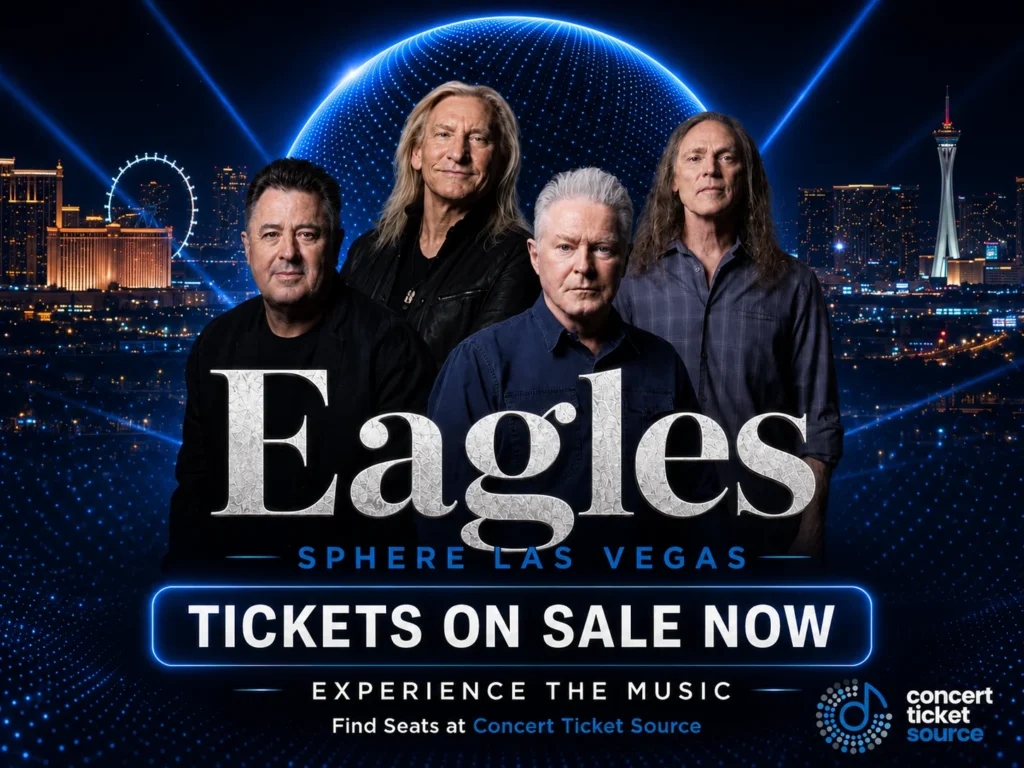
Biography of the Eagles
Early Life and Musical Beginnings
The Eagles’ origin story begins in the late 1960s Los Angeles music scene, a crossroads where folk, country, and rock blended into something new. Don Henley arrived from Linden, Texas with a background in drumming and a developing reputation as a thoughtful lyricist. Glenn Frey came from Detroit, shaped by Motown’s precision and early rock’s energy, and brought a sharp melodic instinct. Both were acclimating to the grind of the L.A. music world when they met while hired as part of Linda Ronstadt’s touring band in 1971.
Playing behind Ronstadt gave them a front-row look at professionalism: tight rehearsals, clean harmonies, and musicianship that left no room for sloppiness. But it also made them restless. They realized they had strong, complementary musical instincts—and more importantly, that they didn’t want to spend their careers backing someone else’s vision.
Their voices blended effortlessly, and both shared the ambition to create something bigger. By the end of that summer, they had formed a band with Bernie Leadon, whose country and bluegrass roots added texture, and Randy Meisner, whose soaring high harmonies filled out their vocal blend.
During this time, Glenn Frey lived in the same Echo Park apartment building as singer-songwriter Jackson Browne. Frey often heard Browne working through songs in the adjoining unit, observing his meticulous approach to crafting melodies and structure. That proximity became foundational: Browne began writing a song called “Take It Easy,” stalled on the second verse, and handed it to Frey—who completed the lyric.
That collaboration not only produced the Eagles’ breakout hit but also helped shape the band’s early songwriting discipline.
Finding Their Sound – The Country-Rock Years
The band’s 1972 debut album, Eagles, immediately defined their early identity. Songs like “Take It Easy,” “Witchy Woman,” and “Peaceful Easy Feeling” showcased a sound built on layered harmonies, acoustic foundations, and storytelling that felt distinctly American. They weren’t inventing country-rock, but they were refining it and giving it mainstream legitimacy.
Their follow-up album, Desperado (1973), leaned even harder into narrative themes, using Old West imagery to explore fame, loneliness, and the pressures of modern ambition. Though it wasn’t a top-seller at first, Desperado deepened their artistic intent and later became one of their most iconic works.
Creative differences also began surfacing during this era. Frey pushed for a more rock-forward direction while Leadon favored the country and bluegrass sound of their origins. That tension would eventually reshape the lineup—and the band’s identity.
Breaking Through to the Mainstream
By 1974, the band wanted to expand beyond country-rock. They recruited guitarist Don Felder, whose technical ability and melodic instinct immediately broadened their sonic palette. His presence helped drive On the Border into more electric territory. The album produced hits like “Already Gone” and “James Dean,” while “Best of My Love” became their first No. 1 single.
This period also solidified the creative partnership between Henley and Frey, who increasingly directed the band’s sound and vision. Their ambition, matched with Felder’s guitar work, positioned the Eagles to become one of the biggest rock bands of the decade.
The Peak Years and Hotel California
Released in 1975, One of These Nights was a turning point—sleek, confident, and musically mature. The album topped the charts and generated multiple major hits. But the real transformation came when Joe Walsh joined the band later that year. His gritty guitar style, offbeat personality, and rock credentials pushed the Eagles into a bolder, more electric territory. Walsh and Felder became the dual-engine that powered the band’s next masterpiece.
In 1976, the Eagles released Hotel California, an album that instantly became central to 1970s rock history. The title track—built on a haunting chord progression that Don Felder had developed—captured themes of excess, disillusionment, and the seductive danger of the California lifestyle. “New Kid in Town” highlighted their melodic and emotional range, while “Life in the Fast Lane,” driven by a Walsh riff, showcased their harder edge.
The album represented artistic mastery, but the touring demands and internal conflicts that followed were intense. Bernie Leadon departed, feeling that the band had moved too far from its roots. Randy Meisner soon followed, exhausted by the pressure and tension.
👉 Explore the Lyric Deep Dive: Hotel California
Fractures, The Long Run, and the Breakup
The success of Hotel California created enormous expectations for the follow-up. Recording The Long Run was grueling—marked by creative fatigue, personal disagreements, and an almost obsessive pressure to match their previous achievement. Despite the behind-the-scenes turmoil, the album produced hits like “Heartache Tonight” and “I Can’t Tell You Why,” and ultimately reached No. 1.
But by 1980, the internal conflicts were unmanageable. A highly publicized onstage blowup at a political fundraiser in Long Beach symbolized their breaking point. After the tour ended, the Eagles quietly disbanded. When pressed about a reunion, Henley delivered the now-famous line that it would happen “when hell freezes over.”
Solo Careers and the “Hell Freezes Over” Reunion
The 1980s marked a period of significant solo success. Don Henley’s output earned critical acclaim with hits like “Dirty Laundry,” “The Boys of Summer,” and “End of the Innocence.” Glenn Frey achieved chart success with songs such as “The Heat Is On” and “You Belong to the City,” becoming a fixture of radio and television. Joe Walsh continued touring and recording, maintaining his distinctive mix of musicianship and humor.
By the early 1990s, demand for a reunion had grown too large to ignore. In 1994, the Eagles reunited for the Hell Freezes Over special, which included new music and live performances. The project was a massive commercial success and reestablished the Eagles as one of the most valuable touring acts in the world.
Later Years, Loss, and Evolving Legacy
The 2000s and 2010s saw the band return to extensive touring, often selling out arenas around the world. In 2007, they released Long Road Out of Eden, their first full studio album in nearly three decades. It debuted at No. 1, proving the enduring pull of their songwriting and brand.
In 2016, Glenn Frey’s death marked one of the most difficult chapters in the band’s history. Many assumed the Eagles would end permanently, but Don Henley later stated they could continue if it felt authentic. Frey’s son, Deacon Frey, joined the tour alongside Vince Gill, whose vocals and musicianship fit seamlessly with the band’s sound. This lineup has allowed the Eagles’ legacy to continue for a new generation of fans.
Today, the Eagles stand as one of the most successful and culturally influential bands of all time. Their pursuit of musical precision, combined with storytelling that captured both the dream and the reality of American life, has ensured that their songs remain essential listening nearly fifty years later.
Key Members of the Eagles
Glenn Frey
Glenn Frey was the melodic architect of the Eagles, bringing Detroit’s sharp pop sensibility to the band’s writing and arrangement style. His partnership with Don Henley shaped the group’s direction, balancing accessible hooks with deeper storytelling. Frey’s rhythm guitar work, vocal presence, and leadership helped unify a lineup full of strong personalities. He co-wrote many of their defining songs, including “Take It Easy,” “Lyin’ Eyes,” and “New Kid in Town,” anchoring the band’s identity through its most successful years.
Don Henley
Don Henley gave the Eagles their lyrical depth, rhythmic backbone, and some of their most iconic lead vocals. A drummer with a poet’s ear, Henley elevated the band’s themes from simple narratives to reflections on ambition, excess, and the contradictions of American culture. He co-wrote “Hotel California,” “Desperado,” “Wasted Time,” and many others, establishing himself as the band’s moral and emotional center. His exacting standards pushed the Eagles toward greater sophistication, shaping their evolution into a world-class rock group.
Bernie Leadon
As a founding member, Bernie Leadon grounded the Eagles’ early sound with his country and bluegrass roots. A multi-instrumentalist equally at home on banjo, acoustic guitar, mandolin, and pedal steel, he gave the band its original Western flavor. Leadon’s musical versatility defined albums like Eagles and Desperado, and he contributed key songs such as “Witchy Woman.” His departure in 1975 marked the end of the group’s country-rock era and cleared the way for the band’s shift toward a more electric rock sound.
Randy Meisner
Randy Meisner added warmth, stability, and one of the most distinctive high-tenor voices of the 1970s. As the band’s bassist and a critical part of its layered harmonies, he helped shape the smooth, blended sound that defined their early years. Meisner sang lead on fan favorites like “Take It to the Limit,” showcasing a vulnerability that contrasted with the band’s growing rock ambitions. Increasing pressure, vocal strain, and personal tensions led to his departure in 1977 at the height of the band’s success.
Don Felder
Don Felder’s arrival in 1974 expanded the Eagles’ musical vocabulary and set the stage for their greatest achievements. A technically gifted guitarist, Felder brought a fluid, melodic precision that transformed the band’s sound. He composed the foundational guitar structure for “Hotel California,” helping craft the band’s most iconic track. His interplay with Joe Walsh created one of rock’s most memorable dual-guitar lineups. Though later years involved legal conflict, Felder’s impact on the Eagles’ peak era is undeniable.
Joe Walsh
Joe Walsh injected raw energy, humor, and virtuosic guitar work into the band when he joined in 1975. Already a respected solo artist, Walsh brought a harder rock edge that aligned perfectly with Henley and Frey’s evolving vision. His riffs powered hits like “Life in the Fast Lane,” and his stage presence gave the band a looser, wilder personality. Walsh’s chemistry with Felder created the twin-guitar sound that became central to the Eagles’ mid-to-late 1970s identity.
Timothy B. Schmit
Timothy B. Schmit joined the Eagles in 1977, replacing Randy Meisner, just as the band transitioned into the Long Run era. His high, smooth vocals blended seamlessly with the group’s harmonies, and he took the lead on tracks like “I Can’t Tell You Why,” one of the standout songs from The Long Run. Schmit continued as an essential part of the band during reunions and later tours, offering vocal consistency and musical stability during decades of personnel changes and evolving arrangements.
Additional Members
- Al Perkins – Pedal steel and guitar contributions during early sessions.
- J.D. Souther – Not a formal band member, but a critical songwriting collaborator.
- Vince Gill – Joined the touring lineup after Glenn Frey’s passing, bringing exceptional vocal and guitar work.
- Deacon Frey – Filled his father Glenn Frey’s role during later tours with emotional resonance and musical authenticity.
EaGles Frequently Asked Questions
Who were the founding members of the Eagles?
The original Eagles lineup consisted of Glenn Frey, Don Henley, Bernie Leadon, and Randy Meisner. They formed in 1971 after working together in Linda Ronstadt’s touring band.
What was the Eagles’ first major hit?
“Take It Easy,” released in 1972, was their breakout single. Co-written by Jackson Browne and Glenn Frey, it introduced the band’s signature harmony-driven sound and helped establish country-rock in the mainstream.
What is the best-selling Eagles album?
Their Greatest Hits 1971–1975 is the band’s best-selling album and one of the highest-selling albums in music history. Hotel California is their best-selling studio album.
How did “Hotel California” come together?
The musical foundation came from a demo Don Felder developed, and Henley and Frey shaped the lyrics around themes of excess, illusion, and California culture. The dual-guitar outro by Walsh and Felder is now considered one of rock’s greatest.
Why did the band break up in 1980?
Creative tension, personal conflicts, substance issues, and pressure from the massive success of Hotel California all contributed to the split. A heated onstage incident during a 1980 Long Beach fundraiser symbolized their breaking point.
When did the Eagles reunite?
They reunited in 1994 for the Hell Freezes Over project, named after Don Henley’s earlier remark that the band would get back together “when hell freezes over.” The reunion produced new music and one of the most successful tours of the decade.
How did the band continue after Glenn Frey’s passing?
Following Frey’s death in 2016, the band continued with Deacon Frey stepping into his father’s role and Vince Gill joining on guitar and vocals. Their additions allowed the Eagles to perform the catalog authentically while honoring Frey’s legacy.
Are the Eagles still touring today?
Yes. The band continues to tour with Henley, Walsh, Schmit, Gill, and Deacon Frey (on select dates). Their live shows remain major draws, reflecting the enduring appeal of their catalog.
Howard Dee’s Closing Thoughts
Spending time revisiting the Eagles’ history reminded me how much intention went into their music. As a kid, I only heard the hooks and the harmonies, but digging into their story shows just how relentlessly they worked to shape their sound and outdo themselves. Seeing them years later at the Forum, opening with “Seven Bridges Road,” drove home how rare it is for a band to sound that precise and that powerful after decades on the road.
The Eagles weren’t perfect — far from it — but that combination of ambition, craftsmanship, and pure musical chemistry is why their songs still land today. And if anything, understanding the path they took makes the music hit even harder.
Explore More Eagles
- Top Eagles Songs Based on Billboard
- Lyric Deep Dive – “Hotel California”
- More Eagles on 70s Music Wisdoms
Eagles Trivia Quiz
Test your knowledge of the band’s history, songs, and legendary moments with our Eagles trivia quiz:
https://70smusicwisdoms.com/70s-music-trivia-eagles-trivia-youll-love/
Continue Your ’70s Journey
The Eagles left a mark on the 1970s that few bands have matched, blending craftsmanship, ambition, and songwriting precision that still stands out decades later. If you’d like to keep exploring the artists and music that shaped the decade, dive into more stories, deep dives, and profiles across the site.
👉 Explore the Complete 1970s Rock Artists Guide