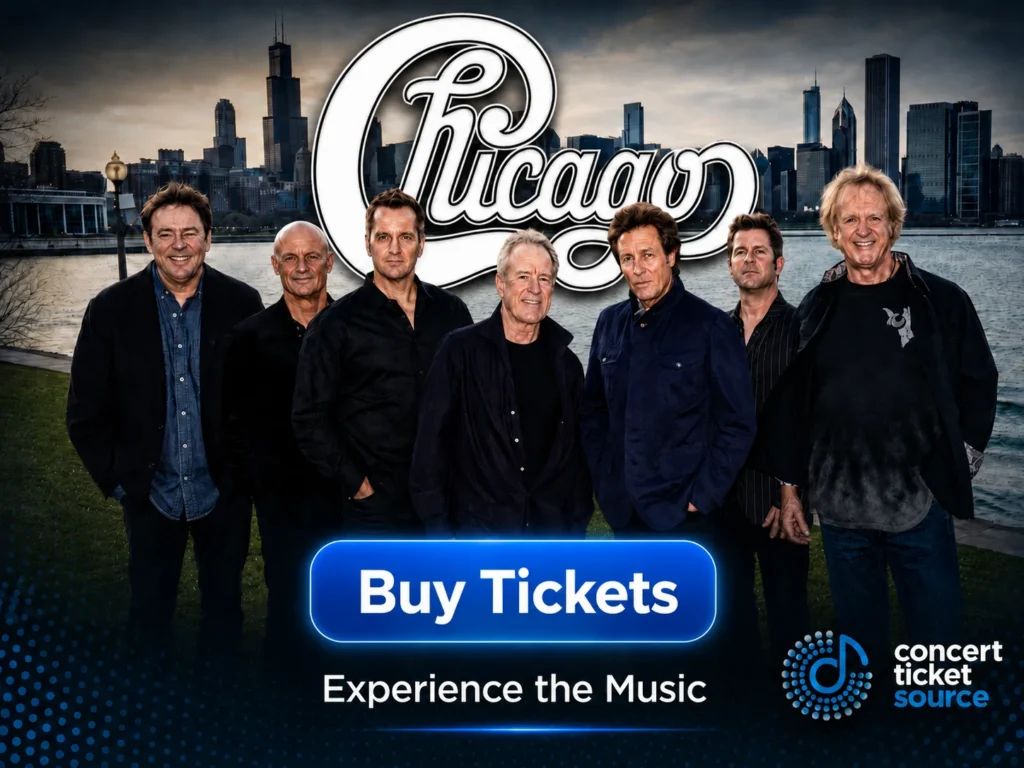
Chicago, the legendary rock band, has produced numerous hits that have captivated audiences worldwide. Their unique blend of rock, jazz, and pop has earned them a special place in music history.
The band, known for its distinctive blend of rock, jazz, and pop, has captivated audiences worldwide for decades. From their early days to their continued success, Chicago has left an indelible mark on music history. Their innovative approach to music, combined with their exceptional talent, has made them one of the most influential bands of all time.
In this article, we will explore the band’s top 10 hits, detailing their release dates, chart positions, and the stories behind these iconic songs. Let’s take a journey through Chicago’s greatest songs.
1. “25 or 6 to 4”
Released: 1970
Peak Billboard Chart Position: #4
Lead Singer: Peter Cetera
“25 or 6 to 4” is one of Chicago’s most iconic songs, released in 1970. The song quickly climbed the Billboard charts, peaking at number four. Its distinctive guitar riff and powerful brass section made it an instant hit.
The lyrics describe a songwriter struggling to find the right words late at night. The title refers to the time, 25 or 26 minutes before 4 AM. This song showcases Chicago’s unique blend of rock and jazz elements.
“25 or 6 to 4” remains a powerful reminder of Chicago’s innovative musical style and their ability to blend genres seamlessly.
2. “If You Leave Me Now”
Released: 1976
Peak Billboard Chart Position: #1
Lead Singer: Peter Cetera
“If You Leave Me Now” was released in 1976 and became one of Chicago’s most successful songs. It reached number one on the Billboard Hot 100, earning the band their first Grammy Award. This soft rock ballad features lush orchestration and heartfelt lyrics.
Peter Cetera’s smooth vocals are a highlight, conveying the emotion of a lover pleading for reconciliation. The song’s beautiful arrangement, including strings and horns, adds to its appeal. “If You Leave Me Now” marked a shift towards a softer, more melodic sound for the band.
This song’s enduring popularity is a testament to its emotional depth and the band’s ability to evolve with their audience.
3. “Saturday in the Park”
Released: 1972
Peak Billboard Chart Position: #3
Lead Singer: Robert Lamm
“Saturday in the Park” was released in 1972 and quickly became a fan favorite. It peaked at number three on the Billboard Hot 100, showcasing the band’s ability to create feel-good, catchy tunes. The song is inspired by Robert Lamm’s experiences in Central Park.
The lyrics paint a vivid picture of a lively, sunny day in the park. The upbeat melody and joyful brass section make it a perfect summer anthem. The song captures the spirit of the early 1970s with its optimistic vibe.
“Saturday in the Park” remains an enduring celebration of life’s simple pleasures and the joy of communal experiences.
Related Posts
Chicago: A Truly Amazing Band With Great Music
15 Interesting Facts About the Band Chicago To Enjoy
70 Top Rock Bands of the 1970s: Trip Down Memory Lane
4. “Hard to Say I’m Sorry”
Released: 1982
Peak Billboard Chart Position: #1
Lead Singer: Peter Cetera
“Hard to Say I’m Sorry” was released in 1982 and became a major hit for Chicago. The song reached number one on the Billboard Hot 100, marking a comeback for the band. This ballad was featured on the album “Chicago 16” and became a wedding favorite.
The lyrics express regret and the desire for reconciliation, resonating with many listeners. Peter Cetera’s powerful vocals and the song’s lush production made it a standout track. The success of “Hard to Say I’m Sorry” helped revitalize Chicago’s career in the 1980s.
This track’s heartfelt message and sophisticated production underscore Chicago’s ability to create deeply moving music.
5. “Does Anybody Really Know What Time It Is?”
Released: 1970
Peak Billboard Chart Position: #7
Lead Singer: Robert Lamm
“Does Anybody Really Know What Time It Is?” was released in 1970 and became one of Chicago’s early hits. It peaked at number seven on the Billboard Hot 100, showcasing the band’s unique blend of rock and jazz. The song features Robert Lamm’s distinctive piano and vocals.
The lyrics question the importance of time in our busy lives. The song’s catchy melody and brass arrangements make it a memorable track. It captures the band’s innovative spirit and musical prowess.
The timeless themes and engaging composition of this song highlight Chicago’s skill in addressing universal human experiences.
6. “Beginnings”
Released: 1971
Peak Billboard Chart Position: #7
Lead Singer: Robert Lamm
“Beginnings” was released in 1971 as part of Chicago’s debut album. The song reached number seven on the Billboard Hot 100, highlighting the band’s early success. Its intricate arrangements and upbeat tempo made it a standout track.
The lyrics reflect a sense of optimism and new beginnings. The song features a distinctive guitar riff by Terry Kath and strong brass elements. “Beginnings” captures the essence of Chicago’s early sound, blending rock with jazz influences.
This track’s optimistic outlook and vibrant energy encapsulate the spirit of Chicago’s early creative period.
7. “You’re the Inspiration”
Released: 1984
Peak Billboard Chart Position: #3
Lead Singer: Peter Cetera
“You’re the Inspiration” was released in 1984 and became one of Chicago’s biggest hits. The song peaked at number three on the Billboard Hot 100, showcasing the band’s pop sensibilities. Written by Peter Cetera and David Foster, it became a romantic anthem.
The lyrics celebrate the feeling of being deeply in love. The song’s polished production and Cetera’s emotive vocals made it a favorite among fans. “You’re the Inspiration” solidified Chicago’s place in the 1980s pop scene.
The song’s enduring appeal lies in its heartfelt expression of love and its impeccable production quality.
Chicago Quizzes
The Ultimate Trivia Quiz on Chicago’s Iconic Albums
8. “Make Me Smile”
Released: 1970
Peak Billboard Chart Position: #9
Lead Singer: Terry Kath
“Make Me Smile” was released in 1970 as part of Chicago’s second album. The song reached number nine on the Billboard Hot 100, showcasing the band’s energetic and dynamic style. Terry Kath’s powerful vocals and guitar work are highlights of this track.
The song is part of a larger suite of music, showcasing Chicago’s ambitious musical vision. Its upbeat tempo and intricate arrangements made it a fan favorite. “Make Me Smile” captures the essence of Chicago’s early experimentation with different musical styles.
This song’s energy and complexity reflect Chicago’s willingness to push musical boundaries.
9. “Just You ‘n’ Me”
Released: 1973
Peak Billboard Chart Position: #4
Lead Singer: Peter Cetera
“Just You ‘n’ Me” was released in 1973 and became a significant hit for Chicago. The song peaked at number four on the Billboard Hot 100, featuring a blend of rock and jazz elements. James Pankow’s trombone solo and Peter Cetera’s vocals are standout features.
The lyrics express a heartfelt plea for reconciliation in a relationship. The song’s smooth melody and brass arrangements make it a memorable track. “Just You ‘n’ Me” showcases Chicago’s ability to create emotionally resonant music.
The song’s emotional depth and instrumental richness highlight the band’s talent for creating compelling narratives in their music.
10. “Feelin’ Stronger Every Day”
Released: 1973
Peak Billboard Chart Position: #10
Lead Singer: Peter Cetera
“Feelin’ Stronger Every Day” was released in 1973 and became a top ten hit for Chicago. The song reached number ten on the Billboard Hot 100, featuring a powerful, upbeat melody. The collaboration between Peter Cetera and James Pankow resulted in a dynamic track.
The lyrics reflect a sense of resilience and personal growth. The song’s energetic rhythm and brass section make it an uplifting anthem. “Feelin’ Stronger Every Day” captures the spirit of overcoming challenges.
This song’s uplifting message and lively arrangement continue to resonate with listeners, embodying the spirit of perseverance.
Frequently Asked Questions
1. Who were the original members of Chicago?
The original lineup of Chicago included seven highly talented musicians, each contributing to their groundbreaking sound:
- Terry Kath (guitar, vocals): Known for his soulful voice and innovative guitar playing.
- Robert Lamm (keyboard, vocals): A primary songwriter and vocalist on many hits.
- Peter Cetera (bass, vocals): The distinctive voice behind some of their most memorable ballads.
- Danny Seraphine (drums): A dynamic drummer who helped anchor their jazz-rock sound.
- James Pankow (trombone): A major creative force, responsible for many of their horn arrangements and songs like “Colour My World.”
- Lee Loughnane (trumpet): His bright, versatile playing became a key part of the band’s signature sound.
- Walter Parazaider (saxophone, flute): A classically trained musician who added a jazz flair to their early work.
This lineup formed the core of the band’s identity, blending rock, jazz, and classical influences into a truly unique sound.
2. How did Chicago get their name?
The band’s original name was The Big Thing, reflecting their aspirations and their large sound with a full horn section. After relocating to Los Angeles, they adopted the name Chicago Transit Authority as a nod to their hometown roots.
However, their name caught the attention of the actual Chicago Transit Authority, who threatened legal action. To avoid conflict, the band shortened their name to simply Chicago, which gave them a sleek and memorable identity. The new name perfectly symbolized their connection to the city while marking the start of their rise to international fame.
3. How did their music evolve over the years?
Chicago’s sound has undergone several evolutions. In their early years, the band was known for their ambitious, horn-driven jazz-rock fusion, characterized by lengthy compositions like “Introduction” and “Ballet for a Girl in Buchannon.” These tracks showcased their instrumental prowess and experimental approach.
By the late 1970s and 1980s, their sound shifted toward mainstream pop-rock, producing iconic ballads such as “Hard to Say I’m Sorry” and “You’re the Inspiration.” This transition was influenced by producer David Foster, who emphasized lush keyboard arrangements and vocal harmonies.
Despite these shifts, the band has retained its core identity, balancing nostalgia for their classic hits with a willingness to explore new musical directions.
4. What made Terry Kath such an exceptional guitarist?
Terry Kath, one of Chicago’s founding members, is often regarded as one of rock’s most underrated guitarists. His style blended blues, jazz, and rock influences, creating a powerful yet soulful sound. Tracks like “Free Form Guitar” showcased his technical brilliance and experimental spirit.
Kath’s live performances were electrifying, with improvised solos that left audiences in awe. Even legendary guitarist Jimi Hendrix once praised Kath, calling him better than himself. Kath’s contributions were pivotal to Chicago’s early success and remain a defining element of their music.
5. How did Chicago’s collaboration with David Foster shape their sound?
When David Foster took over as Chicago’s producer in the early 1980s, he steered the band toward a more commercial pop-rock sound. Foster’s focus on ballads and polished production marked a departure from their horn-heavy, jazz-rock roots.
This era produced some of their biggest hits, including “Hard to Say I’m Sorry” and “Love Me Tomorrow.” While some fans missed their earlier sound, this collaboration introduced Chicago to a new audience and cemented their place as one of the 1980s’ most successful bands.
6. How does Chicago engage with new generations of fans?
Chicago continues to connect with new audiences through constant touring, digital platforms, and music documentaries. They have embraced streaming services to make their extensive discography accessible to younger listeners.
Their music has also been featured in movies, commercials, and TV shows, keeping their hits relevant across generations. The band’s commitment to live performances ensures that their legacy remains vibrant and enduring.