

Few bands have left as lasting an impression on music history as Chicago. Known for their distinctive blend of rock, jazz, and pop, this group defied conventions by making horns a central part of their sound. With over five decades of groundbreaking albums, unforgettable hits, and legendary performances, Chicago remains one of the most beloved and influential bands of all time.
In this post, we’ll dive into 15 fascinating facts about Chicago’s incredible journey, explore their most common fan questions, and uncover what makes their music and legacy so enduring. Whether you’re a lifelong fan or just discovering their iconic sound, there’s something here to deepen your appreciation for this extraordinary band.
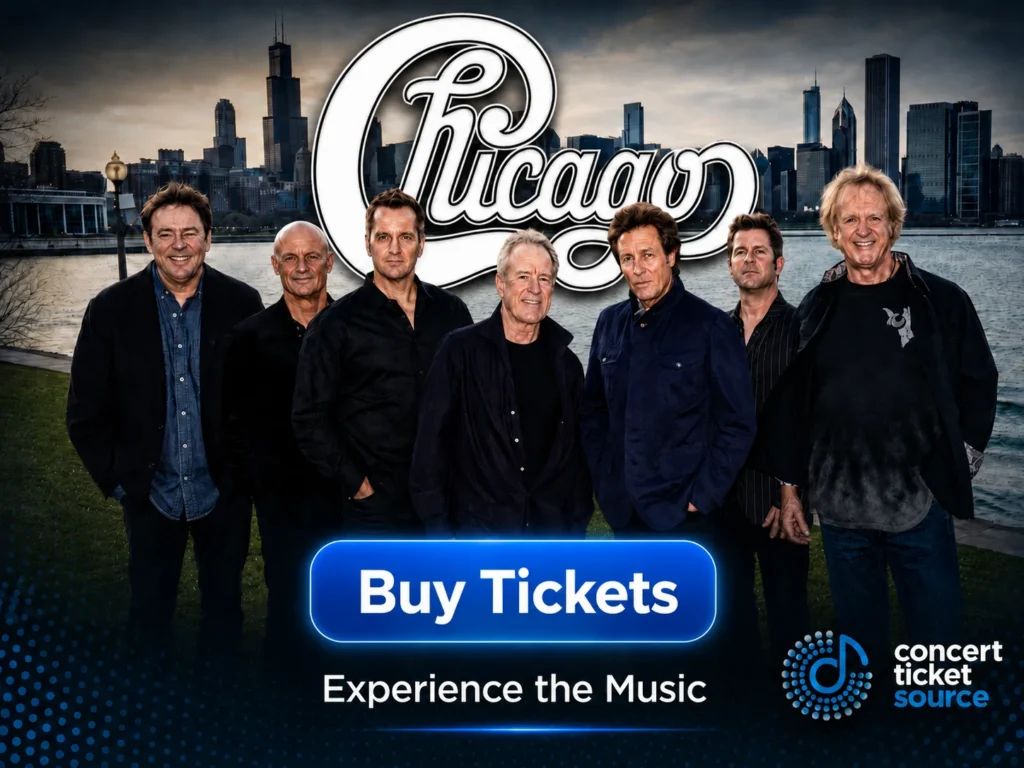
1. Chicago Began as The Big Thing
Chicago wasn’t always known by the name we love today. Initially, they called themselves The Big Thing, a nod to their ambitions.
When they moved to Los Angeles, the name changed to Chicago Transit Authority. After a legal dispute with the real Chicago transit authority, they shortened it to simply Chicago, perfectly capturing their bold simplicity.
This streamlined name gave them a strong, memorable identity right from the start.
2. They Are One of the Best-Selling Bands of All Time
Few bands can rival Chicago’s incredible success. They’ve sold over 100 million albums worldwide, earning them a place among the best-selling music acts in history.
Their accolades include 23 gold albums, 18 platinum albums, and eight multi-platinum albums. In 2019, Billboard named them one of the Top 125 Artists of All Time.
These achievements reflect decades of consistent quality and enduring fan support.
3. Chicago Was a Pioneer in the Rock Horn Section
What makes Chicago stand out? Their unique use of horns as a central feature of their sound. While most rock bands stuck to guitars and drums, Chicago added trombones, trumpets, and saxophones.
This jazz-rock fusion became their signature and set them apart from other bands. It also paved the way for other groups to experiment with brass in rock music.
The horn section remains a defining element of their sound to this day.
4. Their Debut Album Was a Double Album
Launching a career with a double album is a bold move, and Chicago pulled it off spectacularly. Their 1969 debut, “Chicago Transit Authority”, was an ambitious two-disc project.
The album featured early classics like “Does Anybody Really Know What Time It Is?” and “Beginnings.” It showcased their diverse musical influences, from rock to jazz to pop.
The decision to debut with a double album set them apart as a band willing to take risks.
5. “25 or 6 to 4” Has a Cryptic Meaning
The song “25 or 6 to 4” remains one of Chicago’s most enduring hits, but fans have long debated its meaning. The title refers to the time of day (25 or 26 minutes to 4 AM) when Robert Lamm wrote the song.
This cryptic and intriguing title, combined with its dynamic sound, has made it a fan favorite. The song’s unmistakable opening riff is instantly recognizable.
Its unconventional name and timeless appeal have kept it relevant for decades.
Related Posts
10 Most Popular Chicago Songs Based on BillBoard
Chicago: A Truly Amazing Band with Great Music
70 Top Rock Bands of the 1970s: Trip Down Memory Lane
6. Terry Kath’s Untimely Death Was Devastating
Terry Kath, the band’s lead guitarist, was a force to be reckoned with. His skills were so impressive that Jimi Hendrix once called him better than himself.
Tragically, Kath died in 1978 due to an accidental gunshot wound. His death left a void in the band that was difficult to fill, but they eventually regrouped.
Kath’s contributions remain a critical part of Chicago’s early sound and success.
7. Chicago Went Disco in the Late 1970s
Even a band as rooted in rock and jazz as Chicago couldn’t resist the lure of disco. In the late 1970s, they released songs like “Street Player,” which embraced the funky, danceable groove of the era.
Though some fans were divided, the track later found new life when sampled in the 1990s hit “The Bomb (These Sounds Fall Into My Mind)” by Kenny “Dope” Gonzalez.
This venture into disco shows the band’s willingness to explore new trends.
8. They Were Inducted into the Rock and Roll Hall of Fame in 2016
Despite their incredible success, it took decades for Chicago to earn a spot in the Rock and Roll Hall of Fame. They were finally inducted in 2016 after years of fan campaigning.
The induction celebrated their contributions to rock music, particularly their innovative sound and longevity. It was a long-overdue recognition.
Their induction highlighted the respect they’ve earned from the music world.
9. Chicago is Still Touring and Making Music
Even after more than 50 years, Chicago is still going strong. The band continues to tour worldwide, performing for longtime fans and new generations alike.
They’ve also released new music, including their most recent album, “Born for This Moment”, in 2022. Their ability to stay relevant is a testament to their talent.
Their ongoing work ensures their legacy remains alive and well.
Chicago Quizzes
10. The Band Was Featured in a Documentary
In 2016, the documentary “Now More Than Ever: The History of Chicago“ gave fans an in-depth look at the band’s journey. It featured interviews, rare footage, and a detailed look at their highs and lows.
The documentary sheds light on their innovative music and personal struggles. It’s an essential watch for any Chicago fan.
The film offers a unique way to connect with Chicago’s long history.
11. Peter Cetera’s Solo Success
After leaving Chicago in 1985, Peter Cetera found great success as a solo artist. His hits included “Glory of Love”, the theme for The Karate Kid Part II, and “The Next Time I Fall” with Amy Grant.
Though his departure was a turning point for the band, both Cetera and Chicago continued to thrive in their own ways.
Cetera’s solo hits added another chapter to Chicago’s influence in pop music.
12. Their Logo Is One of the Most Recognizable in Music
Chicago’s logo, inspired by the Coca-Cola script, is one of the most iconic in music.
It’s prominently featured on their album covers, tour merchandise, and promotional materials.
The logo has become synonymous with their brand and legacy.
13. They Have 37 Studio Albums
With an incredible 37 studio albums, Chicago has one of the largest discographies in rock history. Their most recent release came in 2022.
Their prolific output spans multiple genres, proving their creativity and adaptability.
Each album reflects their commitment to evolving with the times.
14. They Were Once Banned from Disneyland
In the late 1960s, Chicago was banned from Disneyland after a performance deemed “too loud.”
At the time, they were still called The Big Thing and were making a name for themselves locally.
This rebellious incident became part of their early lore as a band pushing boundaries.
15. Terry Kath Inspired Their Song “Alive Again”
After Terry Kath’s tragic death, the band wrote “Alive Again” as a tribute to his memory and as a way to process their grief.
The song became a hit and marked the start of a new chapter for the band.
This heartfelt piece reflects the impact Kath had on Chicago’s music and spirit.
Frequently Asked Questions
1. Who were the original members of Chicago?
The original lineup of Chicago included seven highly talented musicians, each contributing to their groundbreaking sound:
- Terry Kath (guitar, vocals): Known for his soulful voice and innovative guitar playing.
- Robert Lamm (keyboard, vocals): A primary songwriter and vocalist on many hits.
- Peter Cetera (bass, vocals): The distinctive voice behind some of their most memorable ballads.
- Danny Seraphine (drums): A dynamic drummer who helped anchor their jazz-rock sound.
- James Pankow (trombone): A major creative force, responsible for many of their horn arrangements and songs like “Colour My World.”
- Lee Loughnane (trumpet): His bright, versatile playing became a key part of the band’s signature sound.
- Walter Parazaider (saxophone, flute): A classically trained musician who added a jazz flair to their early work.
This lineup formed the core of the band’s identity, blending rock, jazz, and classical influences into a truly unique sound.
2. How did Chicago get their name?
The band’s original name was The Big Thing, reflecting their aspirations and their large sound with a full horn section. After relocating to Los Angeles, they adopted the name Chicago Transit Authority as a nod to their hometown roots.
However, their name caught the attention of the actual Chicago Transit Authority, who threatened legal action. To avoid conflict, the band shortened their name to simply Chicago, which gave them a sleek and memorable identity. The new name perfectly symbolized their connection to the city while marking the start of their rise to international fame.
3. How did their music evolve over the years?
Chicago’s sound has undergone several evolutions. In their early years, the band was known for their ambitious, horn-driven jazz-rock fusion, characterized by lengthy compositions like “Introduction” and “Ballet for a Girl in Buchannon.” These tracks showcased their instrumental prowess and experimental approach.
By the late 1970s and 1980s, their sound shifted toward mainstream pop-rock, producing iconic ballads such as “Hard to Say I’m Sorry” and “You’re the Inspiration.” This transition was influenced by producer David Foster, who emphasized lush keyboard arrangements and vocal harmonies.
Despite these shifts, the band has retained its core identity, balancing nostalgia for their classic hits with a willingness to explore new musical directions.
4. What made Terry Kath such an exceptional guitarist?
Terry Kath, one of Chicago’s founding members, is often regarded as one of rock’s most underrated guitarists. His style blended blues, jazz, and rock influences, creating a powerful yet soulful sound. Tracks like “Free Form Guitar” showcased his technical brilliance and experimental spirit.
Kath’s live performances were electrifying, with improvised solos that left audiences in awe. Even legendary guitarist Jimi Hendrix once praised Kath, calling him better than himself. Kath’s contributions were pivotal to Chicago’s early success and remain a defining element of their music.
5. How did Chicago’s collaboration with David Foster shape their sound?
When David Foster took over as Chicago’s producer in the early 1980s, he steered the band toward a more commercial pop-rock sound. Foster’s focus on ballads and polished production marked a departure from their horn-heavy, jazz-rock roots.
This era produced some of their biggest hits, including “Hard to Say I’m Sorry” and “Love Me Tomorrow.” While some fans missed their earlier sound, this collaboration introduced Chicago to a new audience and cemented their place as one of the 1980s’ most successful bands.
6. How does Chicago engage with new generations of fans?
Chicago continues to connect with new audiences through constant touring, digital platforms, and music documentaries. They have embraced streaming services to make their extensive discography accessible to younger listeners.
Their music has also been featured in movies, commercials, and TV shows, keeping their hits relevant across generations. The band’s commitment to live performances ensures that their legacy remains vibrant and enduring.


