Introduction by Howard Dee
When I think about the Doobie Brothers, I think about joy — pure, unfiltered joy. I first connected with their music as a kid when I heard “Black Water” coming through our brand-new stereo system, with different parts of the song bouncing from speaker to speaker.
It was the late 1970s, and that kind of technology was mind-blowing to me. It wasn’t just music — it was an experience. Even now, that memory sticks with me: a moment where music, technology, and happiness all came together in one perfect feeling.
For me, the heart of the Doobie Brothers will always be the Tom Johnston era — the rough-edged, foot-stomping anthems that just made you want to move. “Listen to the Music” is still my all-time favorite, a song that kicks off with a groove so infectious you can’t help but turn up the volume and smile.
While Michael McDonald brought a smooth soulfulness later on, it’s that early energy that shaped how I feel about the band to this day. The Doobie Brothers weren’t just part of the background growing up — looking back now, they were a reminder that sometimes, the best thing you can do is just listen to the music… and let it move you.
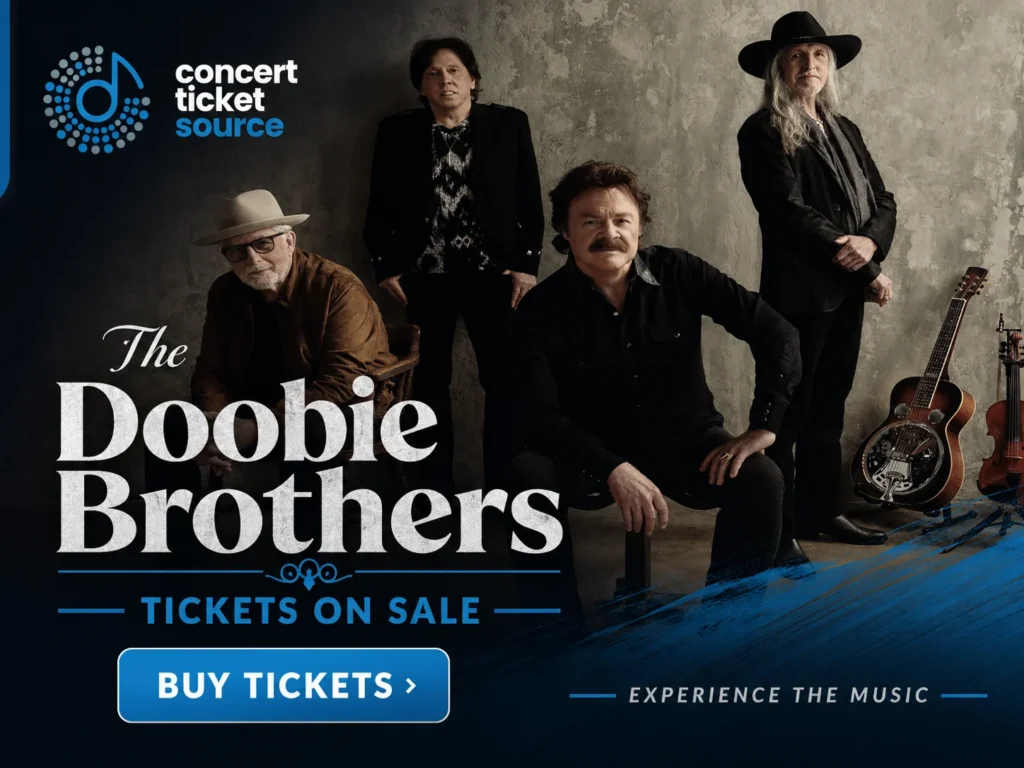
The Story of The Doobie Brothers
Humble Beginnings and the Birth of a Name

The Doobie Brothers’ story begins in the bars and biker hangouts of San Jose, California in 1970. Tom Johnston and John Hartman first came together over a shared love of rhythm and blues. After experimenting with a few different lineups, they recruited Patrick Simmons, whose fingerstyle guitar and folk influences added a key new layer to the band’s sound.
Early on, the group played under various names until a friend jokingly suggested “The Doobie Brothers” — a nod to their fondness for passing around “doobies” during jam sessions. What started as a joke stuck, and the band leaned into the laid-back, California vibe that the name evoked.
Building Their Sound: Rock, Rhythm, and Heart
By 1971, The Doobie Brothers had signed with Warner Bros. Records and released their self-titled debut album. While it didn’t make a major splash, it laid the groundwork for what was to come — a potent blend of rock, soul, and country influences, built on tight three-part harmonies and infectious guitar riffs.
Their breakthrough arrived with Toulouse Street (1972), which included classics like “Listen to the Music” and “Jesus Is Just Alright.” Suddenly, the Doobies weren’t just a local band — they were national stars.
Tom Johnston’s rough-edged voice and percussive rhythm guitar became trademarks of the band’s early hits. Songs like “China Grove” and “Long Train Runnin’” captured the easygoing spirit of 70s Southern California, even though the band itself hailed from the North. There was a loose, joyful energy to their music — it made you want to roll down the windows and sing along.
An Ever-Changing Lineup
One thing that defined The Doobie Brothers over the years was their constantly evolving lineup. While Tom Johnston and Patrick Simmons were core members, the group cycled through an impressive roster of musicians. Tiran Porter added a funky, melodic bass style that gave the band additional groove, while drummers John Hartman and Michael Hossack created the band’s signature “double drumming” sound, layering two percussion tracks for a richer, more powerful feel.
By 1975, after years of intense touring and health struggles, Tom Johnston was forced to step back from the group. Instead of folding, The Doobie Brothers reinvented themselves by bringing in Michael McDonald, a keyboardist and vocalist who had previously toured with Steely Dan.
His smooth, soulful voice and jazz-influenced style steered the band in a completely new direction.
Reinvention: The Michael McDonald Years

The arrival of Michael McDonald was nothing short of transformative. Suddenly, the Doobies’ sound leaned heavily into blue-eyed soul, with McDonald’s keyboards and smoky vocals front and center. Their 1976 album Takin’ It to the Streets marked a bold new chapter, winning over a broader, more diverse audience.
In 1978, Minute by Minute took them to even greater heights. “What a Fool Believes,” co-written by McDonald and Kenny Loggins, became a runaway hit, earning the band a Grammy Award for Record of the Year.
The song’s sophisticated structure and bittersweet lyrics were a far cry from the good-time rock anthems of their early years — and it proved that the Doobies weren’t just a party band, but serious musicians capable of deep emotional resonance.
Iconic Songs and Cultural Impact
Throughout the 1970s, The Doobie Brothers became a staple of American radio. Songs like “Black Water,” with its swampy Southern feel and “I’d like to hear some funky Dixieland” chorus, captured a kind of Americana that resonated across regional lines. “Listen to the Music” became an unofficial anthem of positivity during a time when America badly needed it, with its simple, infectious message: “All the world needs now is a little more music.”
Meanwhile, “Long Train Runnin’” and “China Grove” showcased their ability to marry gritty guitar riffs with polished harmonies, making them favorites on both AM and FM radio — no small feat in an era where musical tastes were deeply divided. Their music wasn’t just fun — it felt good, and it crossed boundaries between rock, R&B, and country in ways few bands could manage.
Farewell (For Now) and Reunion
By the early 1980s, internal tensions and the grind of constant touring took their toll. After releasing One Step Closer in 1980, which yielded hits like “Real Love,” the band decided to call it quits. Their 1982 farewell tour was a major event, drawing sold-out crowds across the country.
But as with many great bands, the end wasn’t really the end. The Doobie Brothers reunited in 1987 for a Vietnam veterans benefit concert, which led to a full-fledged reunion tour and a new lease on life. While the lineup continued to shift, core members like Tom Johnston and Patrick Simmons kept the spirit alive.
Over the next few decades, the band remained a steady presence on the touring circuit, delighting audiences with a mix of classic hits and newer material. Their 2010 album World Gone Crazy proved that their creative fire was still burning.
Long Overdue Recognition
In 2020, after 50 years of making music, The Doobie Brothers were finally inducted into the Rock and Roll Hall of Fame. It was a moment of validation for a band that had often flown under the critical radar despite their immense popularity and influence. They were celebrated not just for their hits, but for their versatility — the rare group that could evolve their sound without losing their soul.
Today, The Doobie Brothers are rightly seen as one of the definitive American bands of the 1970s. Their music still sparks joy, movement, and memories — a testament to the timeless power of a good riff, a tight harmony, and a song that just makes you feel good.
Career Highlights
- Debut Album: The Doobie Brothers (1971)
- Breakthrough Album: Toulouse Street (1972)
- Signature Songs: “Listen to the Music,” “Long Train Runnin’,” “China Grove,” “Black Water,” “What a Fool Believes”
- Key Members: Tom Johnston, Patrick Simmons, Michael McDonald, John McFee, Tiran Porter, John Hartman, Michael Hossack
- Awards: Grammy Award (Record of the Year for “What a Fool Believes”), Rock and Roll Hall of Fame Induction (2020)
Billboard’s Top 5 Highest-Charting Doobie Brothers Songs
🎵 See Howard Dee’s full picks for Top 10 Doobie Brothers Songs!
- “What a Fool Believes” – #1 (1979)
- “Black Water” – #1 (1975)
- “Real Love” – #5 (1980)
- “Listen to the Music” – #11 (1972)
- “Minute by Minute” – #14 (1979)
3 Fun and Surprising Facts About The Doobie Brothers
🎶 Discover more in 10 Interesting Facts About The Doobie Brothers!
- The band’s name was suggested jokingly by a friend — “You guys smoke so many doobies, you should just call yourselves the Doobie Brothers!”
- They’re one of the few bands that successfully bridged gritty rock and polished soul without alienating their fanbase.
- “Black Water” was the first Doobie Brothers single to reach #1 — and it almost wasn’t released as a single at all!
Contemporary Artists of The Doobie Brothers Era
The Doobie Brothers emerged at a time when American rock was exploding with new sounds, blending genres like folk, soul, country, and R&B. They weren’t alone in pushing the boundaries of what rock music could be. Here’s a look at some of the artists who shared the stage, the airwaves, and the cultural moment with the Doobies:
The Eagles – Like the Doobie Brothers, the Eagles mixed rock with country influences and layered vocal harmonies into a sound that dominated the 1970s. 👉 Eagles Artist Profile
Steely Dan – Michael McDonald’s ties to Steely Dan created a strong musical connection. Both bands experimented with jazz influences, polished studio production, and sophisticated songwriting.
Fleetwood Mac – As Fleetwood Mac evolved in the mid-70s, they shared a similar polished yet emotional sound that appealed to rock and pop audiences alike.👉 Fleetwood Mac Artist Profile
Chicago – With their emphasis on horns, rich arrangements, and shifting lead vocals, Chicago paralleled the Doobies’ evolution toward more soul and jazz-influenced rock.👉 Chicago Artist Profile
America – Known for their soft harmonies and folk-influenced rock, America’s breezy West Coast sound often ran alongside the early Doobies’ style.
Little Feat – Blending blues, country, and rock, Little Feat shared the Doobie Brothers’ love for genre fusion and intricate musicianship.
The Allman Brothers Band – Although rooted more firmly in Southern rock, the Allmans and the Doobies both celebrated long instrumental jams and a love for American roots music.
The Doobie Brothers fit into a unique sweet spot between rock, soul, and country — and while they shared similarities with many of their contemporaries, their ability to seamlessly transition from bar-band rock to Grammy-winning soul-pop made them stand out in a crowded and brilliant musical decade.
Final Thoughts from Howard Dee
My first real connection with the Doobie Brothers came when I heard “Black Water” for the first time. I must have been around 12 or 13 years old, and we had just gotten a stereo system in the house — a big deal back then. I can still remember how the different parts of the song came out of separate speakers, and it felt like magic to me. Music, technology, and pure joy were all wrapped up in that moment.
While I’ve always appreciated Michael McDonald’s soulful voice, my heart leans toward the earlier Doobie Brothers sound led by Tom Johnston. Songs like “Listen to the Music” feel alive, infectious, and packed with a spirit that never fades. Even though they weren’t the biggest band for me growing up, today, at 60, I recognize just how special their music really is. Listening to the Doobie Brothers infuses you with energy — when “Listen to the Music” comes on, I want to turn up the volume and move. It’s timeless. It’s joy. It’s why their songs still matter.