Introduction
“Black Water” feels like stepping into a different world. Written by Patrick Simmons, it marked a stylistic departure for The Doobie Brothers, embracing a swampy, Southern-folk sound that captured listeners’ imaginations. Originally released as a B-side, it defied all expectations to become the band’s first No. 1 hit — a testament to its laid-back charm and universal appeal.
For me, hearing “Black Water” for the first time as a kid was unforgettable. We had just gotten a new stereo system, and the way the different parts of the song floated from one speaker to the other felt like pure magic — a blend of technology, music, and pure joy. Even now, whenever I hear those opening guitar notes, I’m instantly transported back to that feeling, where everything seemed new, exciting, and filled with possibility.

The Backstory Behind “Black Water”
When Patrick Simmons first started writing “Black Water,” it wasn’t meant to be a major single. He was simply noodling on an acoustic guitar riff during a break in the recording sessions for What Were Once Vices Are Now Habits (1974). The band was in New Orleans at the time, and the Southern atmosphere seeped into his imagination — riverboats, lazy afternoons, and the slow pulse of the Mississippi River.
Inspired by that setting, Simmons crafted lyrics that painted vivid scenes of a simpler life drifting along the water. Initially recorded as a casual album track, “Black Water” was tucked away as the B-side to “Another Park, Another Sunday.” But radio DJs heard something special. They began flipping the record and playing “Black Water” instead — and listeners couldn’t get enough of it. By March 15, 1975, “Black Water” had reached No. 1 on the Billboard Hot 100, becoming the Doobie Brothers’ first chart-topping hit.
The song’s now-famous a cappella section wasn’t even a strategic choice; it grew naturally out of the band’s love for harmonies and live jam sessions. Patrick Simmons would later call “Black Water” one of his proudest achievements, not just because of its success, but because it so perfectly captured a feeling — a dream of freedom, simplicity, and joy.
Setting the Mood: Acoustic Openness
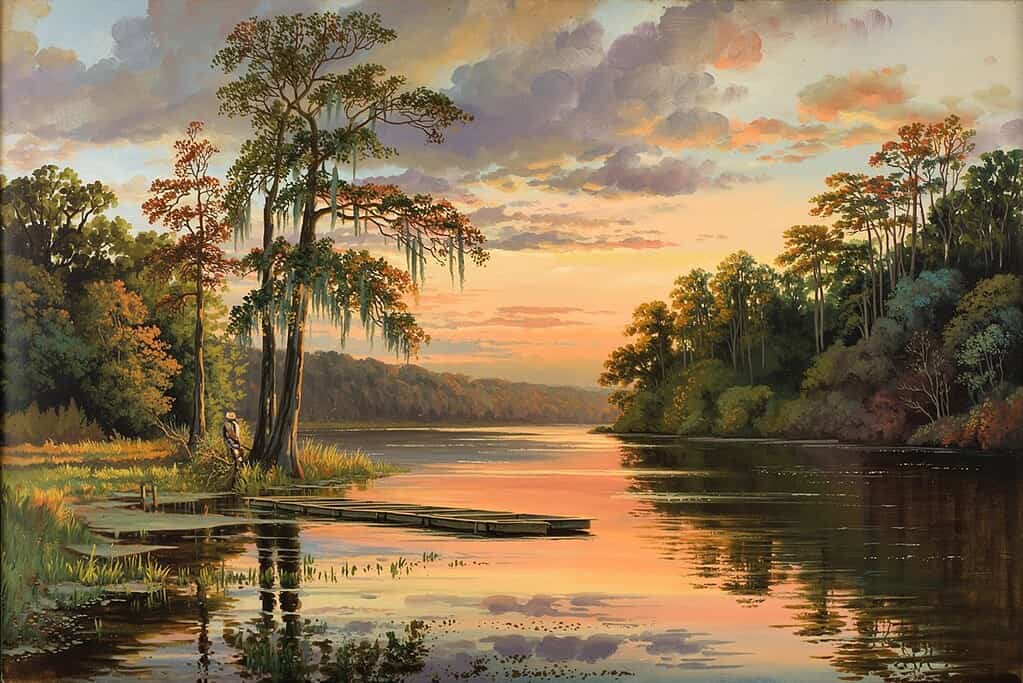
“Black Water” opens with an easygoing acoustic riff that instantly transports you to the deep South. There’s a slow, rhythmic pull to it, like the movement of a river. The lyrics set the scene: “Well, I built me a raft and she’s ready for floatin’ / Ol’ Mississippi, she’s callin’ my name.”
Simmons’ relaxed vocal delivery makes it feel less like a performance and more like a conversation you’ve stumbled into — storytelling set to music.
The production keeps things sparse at first, allowing the acoustic guitar, subtle bass, and gentle percussion to create a floating, dreamlike atmosphere.
The Chorus: A Sing-Along Moment
The chorus is pure Southern charm: “I’d like to hear some funky Dixieland, pretty mama come and take me by the hand.” It’s an irresistible invitation — playful, musical, and a little mischievous. The song shifts from introspective storytelling into a lively, communal feeling, capturing the joyful side of life on the river.
Listeners couldn’t resist singing along. The simple, rhythmic repetition of the chorus made “Black Water” a crowd favorite at concerts, where audiences would often take over the “take me by the hand” refrain entirely.
The A Cappella Breakdown: A Surprise Classic
One of the most magical parts of “Black Water” comes toward the end: the sudden drop into an a cappella section. Stripped of instruments, the band’s layered harmonies step forward, creating an intimate, almost gospel-like vibe. It’s spontaneous, warm, and completely infectious.
At a time when most rock singles were busy adding layers of production, The Doobie Brothers pulled everything back to pure voices and clapping hands — and it made the song unforgettable.
Recording and Legacy
Recorded at Warner Bros. Studios and produced by Ted Templeman, “Black Water” was initially seen by the label as just an album track. No one — not the label, not even the band — expected it to become a hit. But once it caught fire on the radio, there was no stopping it. The song reached No. 1 in early 1975, marking a major milestone for the Doobies.
Critics praised “Black Water” for its originality and warmth. It expanded the Doobie Brothers’ reputation beyond just high-energy rock, showing they could weave in elements of folk, country, and soul with effortless grace. Today, it remains a highlight of their catalog — one of those songs that feels just as alive now as it did 50 years ago.
Howard Dee’s Final Thoughts
“Black Water” is more than just a song — it’s a place, a feeling, and a memory you can return to whenever you need it. Patrick Simmons captured something rare: the ability to transport you somewhere else within just a few strums of a guitar and a few lines of a lyric. For me, hearing “Black Water” for the first time through a brand-new stereo system wasn’t just about the music — it was about wonder, about technology meeting imagination, about pure joy.
Even now, decades later, the magic hasn’t faded. That river still calls, the harmonies still lift, and the music still carries you somewhere simpler and freer. And every time I hear “Black Water” today, it still feels like that first time — like the world is wide open, the music is floating through the air, and anything is possible if you just listen close enough.
🎶 Want to Explore Even More Great Stories, Songs, and 70s Legends? Dive into the links below and keep the music playing!
Want More Stories Like This?
🎶 Howard Dee’s Deep Dive: The Story Behind “Goodnight Saigon” by Billy Joel
🎶 Howard Dee’s Deep Dive: The Story Behind “Cats in the Cradle” by Harry Chapin
🎶 Howard Dee’s Deep Dive: The Story Behind “Dreams” by Fleetwood Mac
🎶 Howard Dee’s Deep Dive: The Story Behind “Hotel California” by The Eagles
Explore More From The Doobie Brothers
🎸 The Doobie Brothers Artist Profile
🎶 Top 10 Doobie Brothers Songs (Howard Dee’s Picks)
🎤 10 Interesting Facts About The Doobie Brothers
🧠 Doobie Brothers Trivia Quiz – Coming Soon!
Discover More 70s Legends
🦅 The Eagles Artist Profile
🎸 Fleetwood Mac Artist Profile
🎺 Chicago Artist Profile
External Resources
🌐 The Official Doobie Brothers Website
🏆 The Doobie Brothers Rock & Roll Hall of Fame Induction Page