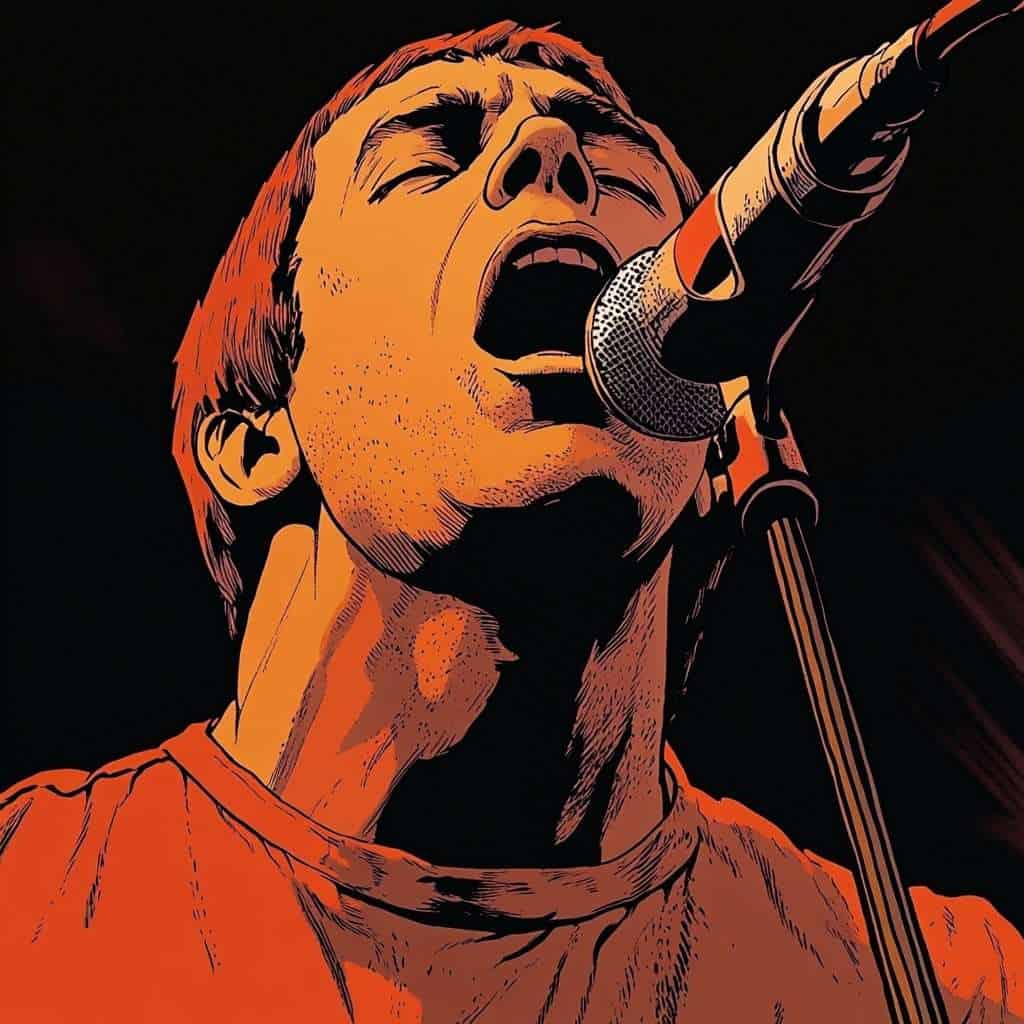
Billy Joel is one of the most successful and enduring artists in American music history, with a career that spans more than five decades and a catalog that continues to attract new listeners alongside lifelong fans. Known for blending rock, pop, and classical influences, Joel built his reputation on songs that combined strong melodies with sharply observed stories about everyday life.
This article takes a closer look at ten essential facts that shaped Billy Joel’s career, focusing not on surface-level trivia, but on the decisions, influences, and milestones that explain how he became the Piano Man—and why his music has remained relevant long after he stopped releasing new pop albums.
HOWARD DEE’S TAKE
Billy Joel has been the soundtrack of my life for as long as I can remember. His songs were there in the background of growing up, figuring things out, making mistakes, and eventually looking back with a little more perspective. I didn’t discover Billy Joel all at once—his music just kept showing up, year after year, always fitting whatever stage of life I happened to be in at the time.
Putting together these interesting facts gave me a deeper appreciation for how intentional his career really was. A lot of what feels effortless in his music is anything but accidental, and digging into the details helped connect the dots between the songwriter I’ve listened to for decades and the disciplined musician behind the scenes. I had a lot of fun exploring these stories, and my hope is that other Billy Joel fans find them just as interesting—and maybe even see his music a little differently because of them.
1. “Stiletto” Was Inspired by a Power Imbalance, Not a Love Affair
Stiletto wasn’t written as a romantic portrait, even though many listeners initially heard it that way. At the time Billy Joel wrote the song, he was married to Elizabeth Weber, who was not only his wife but also his manager. Their relationship combined personal intimacy with professional control, and that tension became the emotional spark behind “Stiletto.” The song’s sharp tone reflected a dynamic that felt increasingly unequal rather than affectionate.
Elizabeth Weber had played a central role in Billy Joel’s rise during the mid-1970s, aggressively steering his career and negotiating deals at a time when he was still establishing himself. As Joel’s success grew, so did the strain of being managed by someone he was also married to, especially as business decisions increasingly overlapped with their personal relationship. “Stiletto” came out of that period, capturing a moment when those roles had become impossible to separate.
Not long after 52nd Street was released, Billy Joel and Elizabeth Weber divorced. In hindsight, “Stiletto” reads less like a one-off song and more like a snapshot of a marriage already under pressure, written just before that chapter of his life came to an end.
2. “The Entertainer” Was Written While He Was Still Inside the System He Criticized
The Entertainer was written during a period when Billy Joel was already experiencing success but was becoming increasingly frustrated with how the music industry worked. After the breakout of Piano Man, Joel found himself pressured by record executives to deliver radio-friendly singles, shorter tracks, and safer material that fit commercial formats. The demands were coming at the same time his visibility and expectations were rising.
Rather than wait until he was free from those pressures, Joel wrote “The Entertainer” as an immediate response. The lyrics directly reference shortened songs, changing artistic expectations, and the way success often comes with strings attached. When the song was released, some industry figures were openly irritated by it, viewing the track as an ungrateful or biting critique from an artist who was still benefiting from the very system he was calling out.
Despite that backlash, “The Entertainer” was released as a single and became a hit, reaching the Top 40 on the Billboard Hot 100. Its success underscored the irony at the center of the song: Billy Joel was criticizing industry compromises while proving he could still thrive within them. The episode marked an early moment where Joel made it clear he was willing to challenge the business publicly—even before he had the leverage of a fully established career.
3. “Scenes from an Italian Restaurant” Was Built From Several Abandoned Songs
“Scenes from an Italian Restaurant” didn’t start as a single composition. During the mid-1970s, Billy Joel had accumulated several unfinished song fragments that he couldn’t quite complete or place on their own. Rather than discard them, he held onto the ideas—melodies, lyrical sketches, and musical sections that didn’t fully work as standalone songs.
While working on The Stranger, Joel made the decision to combine those fragments into one extended piece. He stitched together three distinct sections: a reflective opening conversation, a narrative middle centered on Brenda and Eddie, and a closing instrumental passage. The structure allowed him to reuse material that had been sitting unfinished while giving it a clear narrative arc.
The song was never released as a single, but it became one of the most talked-about tracks on the album and a staple of his live performances. Its unusual structure stood out at a time when radio favored shorter, conventional songs, making it one of the clearest examples of Joel trusting a longer, more complex idea without trying to reshape it for commercial release.
4. “Vienna” Was Written From Burnout, Not Wisdom
Vienna was written at a time when Billy Joel was feeling worn down rather than reflective. By the mid-1970s, his career was accelerating quickly, with constant touring, recording deadlines, and pressure to follow up earlier success. Despite being relatively young, Joel was already experiencing the strain of trying to keep pace with expectations that didn’t slow down once momentum began.
The idea for the song came after a visit to Vienna, where Joel observed an older population that appeared unhurried and unconcerned with chasing milestones. The contrast stood out to him, particularly against his own schedule and mindset at the time. Rather than offering advice to someone else, the song grew out of his own need to slow down and reassess the pressure he felt to keep moving forward.
“Vienna” appeared on The Stranger but was never released as a single. Decades later, the song has taken on a second life, frequently shared and embraced by younger listeners as a reflection on balance, patience, and resisting constant urgency. Its renewed relevance speaks less to changing trends than to the fact that the pressure Joel was responding to in the 1970s hasn’t gone away—it’s simply found a new generation.
5. “Big Shot” Was Sparked by a Real Dinner That Left an Impression
Big Shot was inspired by a dinner Billy Joel attended in Los Angeles in the late 1970s, shortly after his career had taken off. The evening involved a record executive and his then-wife, and the atmosphere quickly became uncomfortable. According to Joel, the woman spent much of the night drinking heavily, name-dropping, and treating people around her dismissively, creating a scene that stuck with him long after the meal ended.
Not long after, Joel turned the experience into a song, exaggerating details but keeping the core behavior intact. He wrote “Big Shot” quickly, using the dinner as a framework rather than inventing a fictional character. The lyrics mirrored the arrogance, excess, and performative confidence he had witnessed, making the song less of a generalized satire and more of a pointed response to a specific moment.
“Big Shot” appeared on 52nd Street and became one of his biggest hits, reaching the Top 20 on the Billboard Hot 100. Over the years, Joel has been clear that while listeners often tried to guess the song’s subject, it was never meant to be a hidden message or personal feud. It was simply a snapshot of a real encounter that gave him something worth writing about.
6. “Captain Jack” Reflected a Suburban Reality Radio Wasn’t Ready to Confront
Captain Jack was written during a period when Billy Joel was still far from mainstream success and spending time around friends who felt stuck in suburban routines. The song was inspired by people he knew on Long Island who were bored, disconnected, and quietly drifting, often turning to drugs as a form of escape. “Captain Jack” wasn’t built around metaphor or symbolism—it was a direct response to what Joel was seeing in his own social circle.
When Joel recorded the song for Cold Spring Harbor, it stood out immediately for its subject matter. The lyrics referenced heroin use and suburban alienation at a time when most radio-friendly rock avoided those topics or softened them. As a result, the song was largely ignored by radio on its initial release and did little to help the album gain traction.
That changed a few years later when a live version of “Captain Jack” began receiving heavy airplay on Philadelphia radio in the mid-1970s. The unexpected response helped reintroduce Billy Joel to a wider audience and played a role in reviving his stalled career. What had once been considered too bleak or uncomfortable became the song that proved there was an audience willing to listen—setting the stage for his commercial breakthrough soon after.
#
7. “Just the Way You Are” Was Written for One Person, Not an Audience
Just the Way You Are was written as a personal gift rather than a commercial single. Billy Joel composed the song for his first wife, Elizabeth Weber, early in their marriage. At the time, he saw it as a private expression and did not initially consider it album material, let alone something meant for radio.
When Joel brought the song into the studio during the sessions for The Stranger, there was hesitation about how it would be received. The track stood apart from the rest of the album because of its straightforward sentiment and softer tone. Joel himself was unsure about releasing it, concerned that it might be perceived as overly sentimental or out of step with his broader catalog.
Despite those reservations, “Just the Way You Are” became one of the defining songs of his career. It reached No. 3 on the Billboard Hot 100 and earned Joel his first two Grammy Awards, including Record of the Year and Song of the Year. Over time, the song took on a life far beyond its original intent, becoming a staple at weddings and ceremonies—even as the marriage that inspired it eventually ended.
8. “We Didn’t Start the Fire” Began as Emotional Overload, Not a Clever Concept
We Didn’t Start the Fire was written during a moment of frustration rather than inspiration. As Billy Joel approached his 40th birthday, he found himself in a conversation with a younger musician who suggested that Joel had grown up in an easier, less complicated time. The comment struck a nerve. Joel began mentally listing the wars, assassinations, scandals, and cultural upheavals he had lived through, pushing back against the idea that chaos was something new.
Instead of shaping that reaction into a traditional narrative song, Joel sat down and began writing events as they came to him, starting with 1949—the year he was born—and moving forward chronologically. The lyrics were built quickly, almost mechanically, as he focused on accuracy and pacing rather than melody. Joel has said the song was one of the hardest he ever wrote, not because of emotion, but because of the sheer discipline required to organize and deliver the avalanche of references.
Released on Storm Front, the song became a No. 1 hit despite Joel’s own mixed feelings about it. While audiences embraced it, he later admitted he never particularly enjoyed performing it, largely because of its relentless structure. The song stands as a snapshot of a moment when frustration turned into output—less a flash of inspiration than a reaction to being told his generation had it easy.
9. “Movin’ Out” Was Inspired by Watching Friends Chase the Wrong Version of Success
Movin’ Out (Anthony’s Song) came out of Billy Joel’s observations of friends and acquaintances who believed success followed a very specific script. During the mid-1970s, Joel was watching people around him work long hours, buy expensive cars, and measure progress by outward symbols rather than satisfaction. The pattern was familiar and, to him, increasingly hollow.
Rather than invent a fictional character, Joel drew directly from those real-life examples. The song’s details—long hours, material rewards, and quiet disillusionment—came from conversations and situations he had seen repeatedly. “Anthony” wasn’t meant to represent a single person but a type: someone doing everything they were told would lead to happiness, only to find it didn’t deliver what was promised.
“Movin’ Out” appeared on The Stranger and became one of his biggest hits, reaching the Top 20 on the Billboard Hot 100. Over time, the song has been widely misunderstood as a celebration of working-class ambition, when it was originally written as an observation about misplaced priorities. Its staying power comes from the fact that the pressure to chase a prescribed version of success hasn’t changed much since Joel first wrote it.
10. “Summer, Highland Falls” Came From Emotional Whiplash, Not Balance
Summer, Highland Falls was written during a period when Billy Joel was experiencing sharp emotional swings rather than stability. In the mid-1970s, his life alternated between professional momentum and personal turbulence, often moving quickly from confidence to doubt. The song grew out of that uneven emotional rhythm, not from a place of calm reflection.
Joel wrote “Summer, Highland Falls” while living in Highland Falls, New York, near the United States Military Academy at West Point. The lyrics reflected how rapidly his moods could shift, sometimes within the same day. Rather than smoothing those extremes into a single message, the song documents them as they were, capturing both optimism and frustration without trying to reconcile the two.
The song appeared on Turnstiles and was never released as a single. Over time, it became one of the clearest examples of Joel writing directly from experience without polishing it for mass appeal. Its continued resonance comes from that honesty—acknowledging that emotional imbalance can exist alongside outward success, and often does.
HOWARD DEE’S FINAL THOUGHTS
Putting these facts together reinforced something I’ve felt for a long time: Billy Joel didn’t just write songs, he documented moments. Many of his most well-known tracks didn’t start as attempts to create hits, but as responses to specific people, conversations, trips, or periods of pressure in his life. Knowing where those songs came from adds another layer to music I’ve already lived with for decades.
What stood out to me most while working through these stories is how often Joel trusted the moment rather than the market. Some of these songs weren’t released as singles, some weren’t expected to succeed, and a few even made people uncomfortable at the time. Yet they endured because they were rooted in real experiences rather than calculated outcomes. For longtime fans and new listeners alike, those origins help explain why Billy Joel’s music continues to feel familiar, relevant, and worth revisiting.
Explore More Billy Joel
- The Life and Music of Billy Joel
- Billy Joel Top 10 Songs
- Goodnight Saigon: A Lyric Deep Dive
- We Didn’t Start the Fire Meaning: Every Reference Explained
- Explore the Complete Billy Joel Guide
Test Your Billy Joel Knowledge
Expand your Piano Man expertise with these Billy Joel trivia quizzes. Each quiz dives into a different part of his life, music, and legacy — a perfect way to see just how well you know one of the most influential artists of the 1970s.
Explore Other 1970s Artist Interesting Facts
If you love Billy Joel’s music, you’ll probably enjoy these interesting facts of other Artists of the 1970s. Each profile includes a full biography, top songs, fun facts, lyric insights, and more.
- Bob Seger Interesting Facts
- Carole King Interesting Facts
- Doobie Brothers Interesting Facts
- Elton John Interesting Facts
Each article goes beyond surface trivia to explore the decisions, tensions, and turning points that shaped these artists’ careers.
Discover More ’70s Music Facts
Looking to explore more artists and stories from the greatest decade in music?
👉View the Full List of 1970s Artist Facts
This collection is continuously growing and features in-depth fact articles covering the musicians who defined — and survived — the 1970s.