
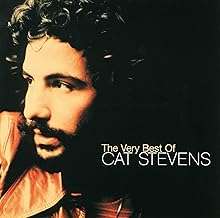
Cat Stevens, now known as Yusuf Islam, has left an indelible mark on the music industry with his soulful folk-rock songs. His career spans decades, producing numerous hits that continue to resonate with listeners of all ages. From heartfelt ballads to upbeat melodies, Stevens’ music captures the essence of life’s joys and struggles.
Cat Stevens’ top 15 hits showcase his musical versatility and lyrical prowess, offering a glimpse into the artist’s evolution over time. These songs have not only topped charts but have also become anthems for generations. Whether you’re a long-time fan or new to his music, exploring these greatest hits provides a wonderful journey through the career of this talented singer-songwriter.
1. Father and Son
“Father and Son” is one of Cat Stevens’ most beloved and enduring songs. Released in 1970, it appeared on his fourth studio album, “Tea for the Tillerman.”
The track showcases Stevens’ storytelling abilities and emotional depth. It portrays a poignant conversation between a father and his son, exploring themes of generational differences and the desire for independence.
Stevens’ gentle guitar work and heartfelt vocals bring the characters to life. The song’s unique structure features the father’s parts sung in a lower register, while the son’s responses are in a higher pitch.
“Father and Son” resonated with audiences worldwide, becoming a timeless anthem for many. Its universal message of family relationships and personal growth continues to touch listeners across generations.
While it didn’t chart on the Billboard Hot 100, “Father and Son” has remained a fan favorite and a staple of Cat Stevens’ live performances. The song’s enduring popularity is evident in its frequent covers by other artists and its use in various media.
In 2020, Stevens released a new version of “Father and Son,” where he sang both parts, bridging the gap between his younger and older self. This reimagining further cemented the song’s place in his legendary catalog.
2. Wild World
“Wild World” is one of Cat Stevens’ most beloved and recognizable songs. Released in 1970, it appeared on his fourth studio album, “Tea for the Tillerman.”
The track quickly became a hit, reaching number 11 on the Billboard Hot 100 chart in the United States. Its catchy melody and heartfelt lyrics resonated with listeners around the world.
Stevens wrote the song as a farewell to his former girlfriend, actress Patti D’Arbanville. The lyrics express concern for a loved one venturing out into the world alone, while acknowledging the need to let them go.
The song’s gentle acoustic guitar and piano accompaniment perfectly complement Stevens’ warm, earnest vocals. Its memorable chorus has made it a staple of radio play for decades.
“Wild World” has been covered by numerous artists over the years, further cementing its status as a classic. Its enduring popularity speaks to the universal themes of love, loss, and growing up that Stevens captured so eloquently in his songwriting.
Related Articles
10 Fascinating Facts About Cat Stevens You’ll Find Interesting
Decoding We Didn’t Start the Fire By Billy Joel
10 Interesting Facts About Billy Joel You Probably Didn’t Know
The Life and Music of Harry Chapin
Exploring the Legacies of Bruce Springsteen and Billy Joel
3. Peace Train
“Peace Train” is one of Cat Stevens’ most beloved and enduring songs. Released in 1971, it quickly became a hit and remains popular to this day.
The song appeared on Stevens’ album “Teaser and the Firecat.” This album was a commercial success, helping to cement Stevens’ place as a leading singer-songwriter of the era.
“Peace Train” climbed to No. 7 on the Billboard Hot 100 chart in November 1971. This marked Stevens’ first Top 10 hit in the United States, a significant milestone in his career.
The song’s uplifting message resonated with listeners. It speaks of hope for a peaceful future and encourages people to join the metaphorical “peace train.”
Stevens’ signature acoustic guitar and warm vocals are prominent in the track. The song’s catchy melody and optimistic lyrics make it instantly recognizable.
“Peace Train” has been covered by numerous artists over the years. Its message of unity and harmony continues to touch new generations of listeners.
The song is often included in Cat Stevens’ greatest hits compilations. It remains a fan favorite at concerts and is frequently played on radio stations worldwide.
4. Morning Has Broken
Cat Stevens released “Morning Has Broken” in 1971 as part of his album “Teaser and the Firecat”. This spiritual and uplifting song quickly became one of his most beloved tracks.
The melody of “Morning Has Broken” is based on a traditional Gaelic tune, which Cat Stevens adapted and popularized. He added his own lyrics to create a heartfelt hymn celebrating the beauty of a new day.
The song’s gentle piano introduction, performed by Rick Wakeman, sets a serene tone. Cat Stevens’ warm vocals then carry listeners through verses filled with gratitude and wonder for the natural world.
“Morning Has Broken” achieved significant commercial success. It reached the top ten on music charts in several countries, including the United States. On the Billboard Hot 100, the song peaked at number six.
The track’s enduring appeal has made it a staple in Cat Stevens’ discography. Its message of renewal and appreciation for life’s simple joys continues to resonate with audiences decades after its release.
Many listeners find comfort in the song’s soothing melody and positive lyrics. It has become a popular choice for weddings, spiritual gatherings, and moments of reflection.
5. Moonshadow
“Moonshadow” is a whimsical and uplifting song that showcases Cat Stevens’ talent for crafting memorable melodies. The track was released as a single in 1970 in the UK and 1971 in the US.
It later appeared on Stevens’ beloved album “Teaser and the Firecat,” which hit shelves in 1971. The song’s gentle acoustic guitar and Stevens’ warm vocals create a comforting atmosphere that resonates with listeners.
The lyrics paint a picture of optimism and resilience in the face of adversity. Stevens sings about finding happiness and contentment even when life presents challenges.
“Moonshadow” became one of Cat Stevens’ signature tunes and a fan favorite at his concerts. Its catchy chorus and positive message continue to delight audiences decades after its initial release.
While the song’s highest position on the Billboard Hot 100 chart is not readily available in the search results, it remains a beloved part of Stevens’ musical legacy. Its enduring popularity is evident in its inclusion on various greatest hits compilations and its frequent airplay on classic rock radio stations.
6. Where Do the Children Play?
“Where Do the Children Play?” is a beloved song by Cat Stevens, released in 1970 as part of his fourth studio album, “Tea for the Tillerman.” The track showcases Stevens’ signature folk-rock style and thoughtful lyrics.
The song addresses environmental concerns and urbanization, questioning the impact of progress on future generations. Its poignant message resonates with listeners even decades after its release.
Stevens’ gentle vocals and acoustic guitar create a melancholic yet beautiful atmosphere. The song’s arrangement is simple, allowing the lyrics to take center stage.
While “Where Do the Children Play?” didn’t chart on the Billboard Hot 100, it has become one of Cat Stevens’ most recognized and influential songs. Its enduring popularity speaks to the timeless nature of its themes.
The track has been featured in various films and TV shows over the years, introducing new generations to its powerful message. In 2020, Stevens re-recorded the song for his “Tea for the Tillerman 2” album, demonstrating its continued relevance.
“Where Do the Children Play?” remains a standout in Cat Stevens’ catalog, showcasing his ability to blend catchy melodies with thought-provoking lyrics. Its environmental message continues to resonate with audiences today.
7. Oh Very Young
“Oh Very Young” is one of Cat Stevens’ most beloved and memorable songs. Released in 1974, it appeared on his eighth studio album, “Buddha and the Chocolate Box.”
The track quickly captured listeners’ hearts with its poignant lyrics and gentle melody. Stevens’ soft vocals and the song’s introspective nature resonated deeply with fans.
“Oh Very Young” achieved significant commercial success. It climbed the charts, reaching an impressive No. 10 on the Billboard Hot 100. This performance cemented its place as one of Stevens’ top hits.
The song’s theme revolves around the fleeting nature of youth and the passage of time. Its lyrics encourage listeners to cherish their youthful years while they last.
Cat Stevens’ distinctive folk-pop style shines through in “Oh Very Young.” The track features his signature acoustic guitar work, complemented by a tasteful arrangement of strings and percussion.
Even decades after its release, “Oh Very Young” continues to touch new generations of listeners. Its timeless message and catchy melody ensure its enduring popularity among Cat Stevens’ extensive catalog of hits.
8. The First Cut is the Deepest
Cat Stevens wrote “The First Cut is the Deepest” in 1967, releasing it on his album “New Masters” that same year. The song quickly gained popularity and became one of his most recognizable tunes.
Despite being written and recorded by Stevens, it was P.P. Arnold who first released the song as a single. Her version reached number 18 on the UK Singles Chart, introducing the world to this powerful ballad.
The lyrics explore the pain of lost love and the fear of opening one’s heart again. Stevens’ poetic words resonated with many listeners, contributing to the song’s enduring appeal.
Over the years, numerous artists have covered “The First Cut is the Deepest,” further cementing its status as a classic. Rod Stewart’s 1977 version achieved significant success, reaching number 21 on the Billboard Hot 100 chart.
Sheryl Crow brought the song back into the spotlight in 2003 with her rendition. Her version climbed to number 14 on the Billboard Hot 100, introducing a new generation to this timeless track.
The song’s emotional depth and universal theme of heartbreak have helped it maintain relevance for decades. Its ability to connect with listeners across different eras speaks to the enduring quality of Stevens’ songwriting.
9. Matthew and Son
“Matthew and Son” was Cat Stevens’ breakthrough hit, released as a single in 1966. The song appeared on his debut studio album of the same name, which came out in March 1967.
The track showcases Stevens’ early baroque pop style, blending catchy melodies with thoughtful lyrics. It tells the story of workers trapped in unfulfilling office jobs, reflecting societal issues of the time.
“Matthew and Son” resonated strongly with listeners, climbing to No.2 on the UK charts. This success helped establish Cat Stevens as a rising star in the British music scene.
The song’s memorable melody and arrangement feature prominent use of strings and horns, giving it a distinctive sound that stood out on the radio. Stevens’ youthful voice delivers the lyrics with a mix of energy and empathy.
While “Matthew and Son” didn’t chart as highly in the US, it helped pave the way for Stevens’ future international success. The song remains a fan favorite and a significant part of his early catalogue.
10. Sad Lisa
“Sad Lisa” is a poignant and emotionally charged song by Cat Stevens. It was released in 1970 as part of his fourth studio album, “Tea for the Tillerman.”
The track showcases Stevens’ signature tender vocals and delicate guitar melodies. Its haunting melody and heartfelt lyrics have captivated listeners for decades.
The song tells the story of a young woman named Lisa who is struggling with sadness and isolation. Stevens sings about trying to comfort and understand her pain.
The lyrics paint a vivid picture of Lisa’s internal turmoil. Lines like “She hangs her head and cries on my shirt” and “You’re lost in the dark, you can trust me” convey the depth of her emotions.
While “Sad Lisa” didn’t chart as a single, it has become a beloved album track. The song’s enduring popularity is a testament to its emotional resonance and Stevens’ masterful songwriting.
“Tea for the Tillerman,” the album featuring “Sad Lisa,” was a commercial success. It reached number 8 on the Billboard 200 chart, helping to establish Cat Stevens as a major artist of the 1970s.
11. How Can I Tell You
“How Can I Tell You” is a heartfelt ballad released by Cat Stevens in 1971. The song appeared on his fifth studio album, “Teaser and the Firecat.”
Stevens’ tender vocals and poetic lyrics shine in this track about the difficulty of expressing deep love. The gentle acoustic guitar and piano accompaniment create a soothing atmosphere that perfectly complements the song’s emotional content.
The track showcases Stevens’ ability to craft intimate and relatable love songs. Its universal theme of struggling to convey intense feelings resonates with listeners across generations.
“How Can I Tell You” reached number 29 on the Billboard Hot 100 chart. While not his highest-charting single, it remains a fan favorite and a standout track in Stevens’ discography.
The song’s enduring popularity is evident in its continued use in films, TV shows, and cover versions by other artists. Its timeless quality speaks to Stevens’ skill as a songwriter and his ability to capture complex emotions in simple, beautiful melodies.
12. Another Saturday Night
Cat Stevens released his rendition of “Another Saturday Night” in 1974. The song was originally written and performed by Sam Cooke in 1963, but Stevens’ cover brought new life to the classic tune.
The track appeared on Stevens’ album “Buddha and the Chocolate Box,” which hit shelves in March 1974. It quickly became a fan favorite and showcased Stevens’ ability to make a cover song his own.
“Another Saturday Night” reached number 6 on the Billboard Hot 100 chart. This impressive performance demonstrated the song’s enduring appeal and Stevens’ widespread popularity.
The lyrics tell the story of a lonely man with money in his pocket but no companionship on a Saturday night. Stevens’ warm, folky voice brought a touch of melancholy to the upbeat melody.
Cat Stevens’ version maintained the catchy, toe-tapping rhythm of the original while adding his distinctive folk-rock style. His interpretation resonated with listeners and helped introduce the song to a new generation.
The success of “Another Saturday Night” further cemented Cat Stevens’ status as one of the most beloved singer-songwriters of the 1970s. It remains a popular track in his extensive catalog of hits.
13. Lady D’Arbanville
“Lady D’Arbanville” is a haunting and melodic song by Cat Stevens, released in 1970. It appeared on his third studio album, “Mona Bone Jakon,” which marked a significant shift in his musical style.
The song features a mesmerizing acoustic guitar riff and Stevens’ emotive vocals. Its lyrics tell a poetic tale of love and loss, creating a dreamlike atmosphere that captivates listeners.
“Lady D’Arbanville” achieved notable success on the charts. It peaked at number 8 on the UK Singles Chart, becoming one of Stevens’ early hits. In the United States, it reached number 109 on the Billboard Bubbling Under Hot 100 chart.
The track showcases Stevens’ evolving songwriting abilities and his knack for crafting introspective, folk-inspired melodies. Its unique sound helped establish him as a prominent figure in the emerging singer-songwriter movement of the 1970s.
Many fans and critics consider “Lady D’Arbanville” a standout in Cat Stevens’ extensive catalog. Its enduring popularity has led to numerous covers by other artists over the years.
14. If You Want to Sing Out, Sing Out
“If You Want to Sing Out, Sing Out” is a beloved song by Cat Stevens. It first appeared in the 1971 film Harold and Maude, where it played a significant role in the soundtrack.
Stevens wrote this uplifting tune during the same period he was working on his “Tea for the Tillerman” album. However, it wasn’t included on that record or any other studio album at the time.
The song’s message is simple yet powerful. It encourages listeners to express themselves freely and live life on their own terms. The lyrics emphasize personal freedom and the endless possibilities life offers.
With its catchy melody and inspirational words, the song quickly became a fan favorite. Many people associate it with the film’s themes of embracing life and individuality.
Despite its popularity, “If You Want to Sing Out, Sing Out” wasn’t released as a single until much later. As a result, it didn’t appear on the Billboard charts during its initial release.
The song’s enduring appeal is evident in its continued use in various media and cover versions by other artists. Its positive message resonates with listeners of all ages, making it a timeless classic in Cat Stevens’ repertoire.
15. Two Fine People
“Two Fine People” is a song by Cat Stevens, released in 1975. It appeared on his compilation album Greatest Hits, which was a collection of his most popular tracks up to that point.
The song stands out as one of the few new tracks on the album. Cat Stevens wrote it specifically for this compilation, giving fans something fresh alongside his well-known hits.
“Two Fine People” showcases Stevens’ signature folk-rock style. His warm vocals and heartfelt lyrics tell a story of love and connection between two individuals.
The track received airplay on radio stations and helped promote the Greatest Hits album. While it didn’t achieve the same level of chart success as some of Stevens’ earlier singles, it remains a beloved part of his catalog.
Cat Stevens’ Greatest Hits album, featuring “Two Fine People,” performed well commercially. It reached number 2 on the UK Albums Chart and peaked at number 6 on the Billboard 200 in the United States.
Fans can find “Two Fine People” on various streaming platforms and YouTube. The official audio is available on YouTube Music, allowing listeners to enjoy this lesser-known gem from Cat Stevens’ discography.
The Musical Journey of Cat Stevens
Cat Stevens’ career spanned decades, evolving from folk-pop stardom to spiritual awakening. His musical style and personal beliefs underwent significant transformations, influencing both his artistry and public persona.
Early Life and Influences
Steven Demetre Georgiou, born in London in 1948, grew up surrounded by music. His Greek Cypriot father and Swedish mother ran a restaurant where young Steven was exposed to a variety of musical styles. He began writing songs at 15, drawing inspiration from folk and pop artists of the 1960s.
Stevens’ early work reflected a blend of folk, pop, and rock influences. His debut album, “Matthew and Son,” was released in 1967, showcasing his unique voice and songwriting talents. Hits like “Wild World” and “Father and Son” cemented his status as a beloved singer-songwriter.
Transition to Yusuf Islam
In 1977, Stevens experienced a near-drowning incident that profoundly impacted his life. This event led him to explore spirituality, ultimately resulting in his conversion to Islam in 1978. He adopted the name Yusuf Islam and stepped away from the commercial music world.
For nearly two decades, Yusuf focused on his faith and charitable work. He gradually returned to music in the late 1990s, releasing albums that blended his spiritual beliefs with his musical roots. His 2006 album “An Other Cup” marked a significant comeback, reintroducing his distinctive voice to a new generation of listeners.
Impact of Cat Stevens’ Music
Cat Stevens’ music profoundly shaped the cultural landscape of the 1970s and continues to resonate with audiences today. His songs have left an indelible mark on popular culture, influencing generations of musicians and listeners alike.
Cultural Influence in the 1970s
Cat Stevens emerged as a defining voice of the 1970s folk-rock movement. His introspective lyrics and melodic compositions struck a chord with listeners seeking meaning in turbulent times. Songs like “Wild World” and “Father and Son” became anthems for a generation grappling with social change.
Stevens’ music often addressed themes of spirituality, personal growth, and human relationships. This resonated deeply with the counterculture movement and those seeking alternatives to mainstream values.
His unique blend of folk, rock, and world music elements helped broaden the musical palette of the era. Stevens’ influence extended beyond his recordings, inspiring other artists to explore similar themes and sounds in their work.
Enduring Legacy and Modern-day Relevance
Cat Stevens’ music has stood the test of time, remaining popular and relevant decades after its initial release. His songs continue to be covered by contemporary artists, introducing new generations to his timeless melodies.
The universal themes in Stevens’ lyrics ensure their ongoing relevance. Songs like “Peace Train” and “Where Do the Children Play?” still resonate with modern audiences concerned about social issues and environmental challenges.
Stevens’ musical journey, including his conversion to Islam and reemergence as Yusuf Islam, has kept him in the public eye. His return to performing in the 2000s introduced his music to new fans while delighting long-time followers.
His songs continue to feature in films, TV shows, and commercials, cementing their place in popular culture. The enduring popularity of Cat Stevens’ music demonstrates its timeless quality and lasting impact on the musical landscape.
Frequently Asked Questions
Cat Stevens created numerous hit songs during his prolific career. His music resonated with audiences worldwide, achieving considerable chart success and leaving a lasting impact on popular culture.
What are some of Cat Stevens’ most popular songs from his music career?
Cat Stevens’ most recognizable songs include “Father and Son,” “Wild World,” and “Peace Train.” These tracks showcase his distinctive voice and thoughtful lyrics.
“Morning Has Broken” and “Moonshadow” are also beloved by fans. Each song demonstrates Stevens’ ability to craft memorable melodies and meaningful messages.
Which Cat Stevens tracks have topped the music charts?
Several of Cat Stevens’ songs achieved high positions on music charts. “Wild World” became an instant hit, reaching top spots in charts worldwide.
“Peace Train” and “Morning Has Broken” also enjoyed significant chart success. These songs helped solidify Stevens’ status as a prominent figure in the 1970s music scene.
What is the song that propelled Cat Stevens to fame?
While Cat Stevens had several breakthrough moments, “Wild World” is often considered the song that catapulted him to widespread fame. Released in 1970, it quickly became a global hit.
The song’s emotional lyrics and Stevens’ soulful delivery resonated with audiences, establishing him as a major artist of his era.
Can you list some of the top hits from Cat Stevens’ discography?
Cat Stevens’ discography includes many notable hits. Some of his most popular songs are:
- “Father and Son”
- “Wild World”
- “Peace Train”
- “Morning Has Broken”
- “Moonshadow”
These tracks represent the pinnacle of Stevens’ musical output and remain beloved by fans today.
During which period was Cat Stevens at the peak of his popularity?
Cat Stevens reached the height of his popularity in the early to mid-1970s. This period saw the release of his most successful albums and hit singles.
His music resonated strongly with the cultural zeitgeist of the time, addressing themes of personal growth, spirituality, and social change.
Has Cat Stevens ever achieved a number one hit on the music charts?
While Cat Stevens had many chart successes, his highest-charting single in the US was “Peace Train,” which reached number 7 on the Billboard Hot 100.
In the UK, “Morning Has Broken” peaked at number 9. Despite not reaching the top spot, these songs and others remained popular for decades.


