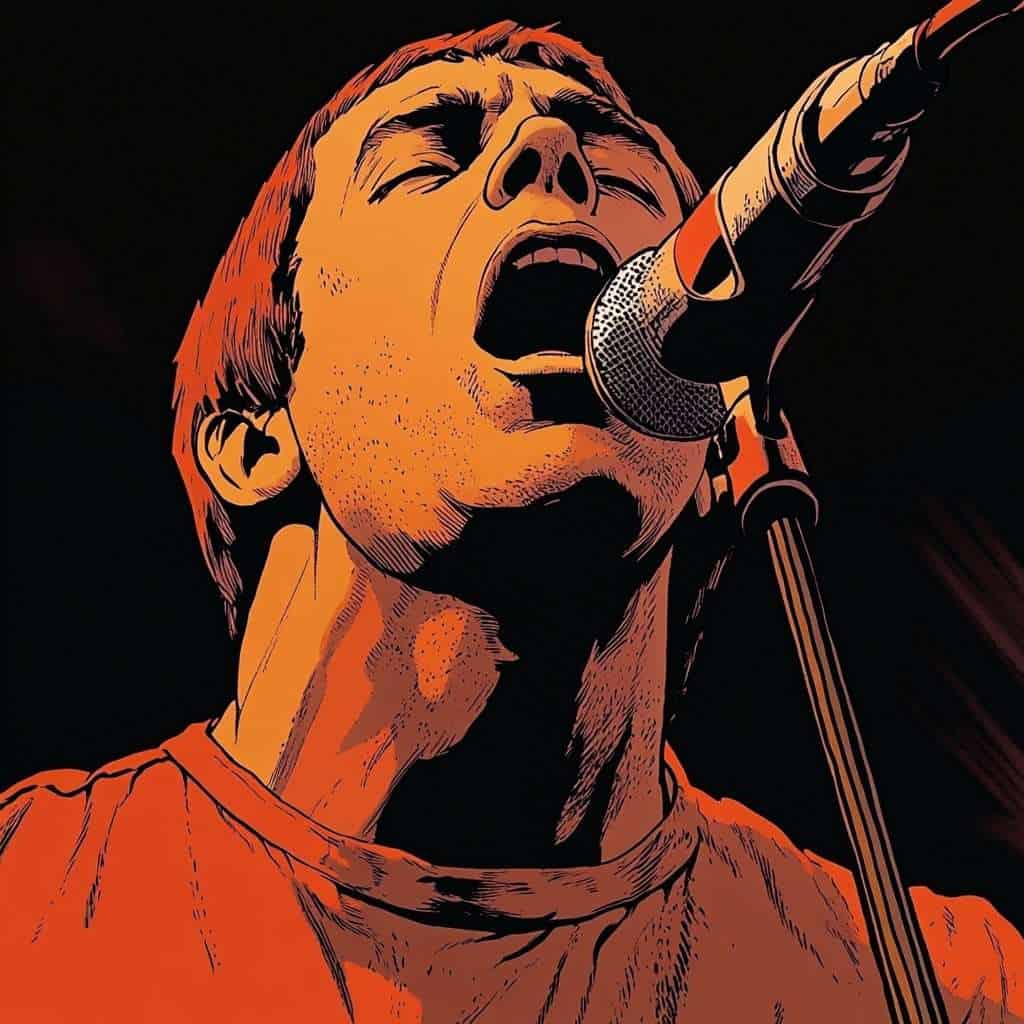
This Bob Marley Biography explores his life story, musical evolution, essential albums, signature songs, spiritual influences, and global impact. You’ll find an expanded biography, a deep look at his artistic legacy, and links to our full collection of Bob Marley content, including essential songs, fun facts, a trivia quiz, and our upcoming lyric deep dive into “I Shot the Sheriff.” This pillar page is your gateway to understanding why Marley remains one of the most influential artists of the 1970s and beyond.
Howard Dee’s Take
Bob Marley is one of those artists who didn’t just become famous — he became a presence. You didn’t have to grow up listening to reggae to know his voice or recognize one of his songs from the first few notes. What always struck me, even before I understood the depth of his message, was how direct and unforced his music felt. As I got older and actually spent time with his albums, that feeling only grew stronger. Marley had this rare ability to combine rhythm, philosophy, and humanity in a way that never sounded complicated — but said everything it needed to.
bob Marley Biography
Early Life in Nine Mile, Jamaica
Bob Marley was born Robert Nesta Marley on February 6, 1945, in the rural community of Nine Mile in Saint Ann Parish, Jamaica. His mother, Cedella Booker, was just 18 years old at his birth, while his father, Norval Marley, was a white Jamaican of English descent who worked as a supervisor for the British government. Norval had little involvement in Bob’s upbringing, and Marley’s mixed-race background placed him in a complex social position within a society still shaped by colonialism and racial tension.
Life in Nine Mile was modest and grounded in tight-knit community values. Marley experienced poverty and limited opportunities firsthand, realities that later influenced his songwriting and worldview.
Moving to Trench Town and Finding His Voice
As a young boy, Marley moved with his mother to Kingston, eventually settling in Trench Town. Despite its reputation for crime and poverty, Trench Town was a cultural hub where music thrived. Sound systems blasted American R&B, ska was beginning to take shape, and nearly every street corner had a singer or musician honing their craft.
It was here that Marley met Bunny Livingston (Bunny Wailer) and Peter Tosh—friendships that shaped the direction of his life. Under the guidance of singer Joe Higgs, Marley learned harmony, vocal control, and the discipline required to pursue music professionally. Trench Town’s mix of community, hardship, and creative energy became the foundation of Marley’s identity as both an artist and thinker.
Forming The Wailers and the Ska/Rocksteady Years
In 1963, Marley, Bunny Wailer, and Peter Tosh formed The Wailers, marking the start of one of Jamaica’s most influential musical groups. Recording with producer Coxsone Dodd at Studio One, they released a series of ska and early rocksteady singles, including their first hit, “Simmer Down.”
These early tracks revealed Marley’s capacity for social commentary and his instinct for crafting music that resonated with everyday life. As Jamaican music evolved from ska to rocksteady and eventually to reggae, The Wailers adapted naturally. Marley also deepened his interest in Rastafarian spirituality, adopting beliefs that emphasized identity, justice, and spiritual liberation—principles that would define his songwriting for the rest of his life.
Island Records and International Breakthrough (1972–1974)
The Wailers’ global breakthrough came when they signed with Island Records in 1972. Founder Chris Blackwell envisioned The Wailers as the band that could introduce reggae to mainstream audiences outside the Caribbean.
In 1973, they released two landmark albums, Catch a Fire and Burnin’, both of which blended authentic Jamaican rhythms with rock-influenced production. Songs like “Stir It Up,” “Concrete Jungle,” and “Get Up, Stand Up” showcased Marley’s ability to write music that spoke to both local struggles and universal themes.
Despite the success, internal tensions grew, and by 1974, Bunny Wailer and Peter Tosh left the group to pursue solo careers.
Bob Marley & The Wailers: The Global Era
With the original Wailers lineup dissolved, Marley formed Bob Marley & The Wailers, adding the I-Threes—Rita Marley, Marcia Griffiths, and Judy Mowatt—as backing vocalists. This lineup defined Marley’s international sound through the mid- and late-1970s.
Albums such as Natty Dread (1974) and Rastaman Vibration (1976) expanded his worldwide audience, combining themes of social resistance, spirituality, cultural identity, and personal reflection. Marley’s concerts during this era became legendary for their energy and emotional intensity.
Political Turmoil and the 1976 Assassination Attempt
Jamaica in the mid-1970s was marred by violence between rival political factions. Marley, though not formally aligned with any party, became a symbolic figure for unity, which made him a target.
On December 3, 1976, gunmen attacked Marley’s home, injuring him, his wife Rita, and his manager. Remarkably, Marley took the stage two days later at the “Smile Jamaica” concert, delivering a performance that solidified his reputation as an artist driven by conviction rather than fear.
Exile in London and the Creation of Exodus
Following the attack, Marley relocated to London, entering one of the most creatively important periods of his life. In 1977, he released Exodus, often regarded as his masterpiece.
The album merged political themes (“Exodus,” “Natural Mystic”) with songs of hope and love (“One Love,” “Three Little Birds,” “Waiting in Vain”). Exodus spent an extraordinary 56 consecutive weeks on the UK charts and cemented Marley’s status as a global cultural icon.
Late-Career Albums and Expanding Influence (1978–1980)
Marley continued to evolve musically in the late 1970s.
- Kaya (1978) showcased a softer, more romantic sound.
- Survival (1979) embraced African identity and resistance.
- Uprising (1980) delivered both upbeat tracks like “Could You Be Loved” and deeply reflective songs such as “Redemption Song.”
During this time, Marley also played a key role in the historic One Love Peace Concert in Kingston, where he famously brought political rivals Michael Manley and Edward Seaga together onstage.
Illness, Final Tour, and Passing (1980–1981)
In 1977, Marley was diagnosed with melanoma in his toe. His Rastafarian beliefs, as well as his athletic ambitions, influenced his decision not to amputate—a choice that ultimately allowed the cancer to spread.
Despite worsening health, Marley embarked on a final tour in 1980, delivering performances remembered for their intensity and emotional weight. His final concert took place in Pittsburgh in September 1980.
Bob Marley died on May 11, 1981, at age 36. He was given a state-level funeral in Jamaica, attended by political leaders, musicians, and thousands of fans.
Posthumous Legacy and Global Impact
Marley’s legacy continued to expand after his passing. His 1984 compilation Legend became one of the best-selling albums in history, introducing new generations to his work. His influence crosses genres—from reggae and rock to hip-hop, pop, and folk—and his symbolism as a voice of unity, resistance, and cultural pride remains unmatched.
Today, Bob Marley stands not only as the most famous reggae artist of all time but also as one of the most important musical figures of the 20th century.
👉 Curious where Bob Marley ranks among the greats? Check out my full list: The Top 70 Greatest Artists of the 1970s.
📀 Top Albums
Bob Marley’s albums trace his journey from rising reggae star to global cultural icon. Each record carries its own spirit, message, and groove—together forming one of the most important catalogs in modern music.
- Catch a Fire (1973)
- Burnin’ (1973)
- Natty Dread (1974)
- Rastaman Vibration (1976)
- Exodus (1977)
- Kaya (1978)
- Survival (1979)
- Uprising (1980)
🎶 My top Bob Marley Songs
Bob Marley’s songs carry the heart of reggae—messages of resilience, unity, love, and spiritual strength. These tracks highlight the depth of his songwriting and the unmistakable sound that made him a global icon.
- “No Woman, No Cry”
- “Three Little Birds”
- “Buffalo Soldier”
- “Redemption Song”
- “One Love / People Get Ready”
- “I Shot the Sheriff”
- “Stir It Up”
👉 Click here to see my full list and commentary.
Musical Style & Influences
Marley’s music blended reggae, ska, and rocksteady with message-driven songwriting rooted in spirituality and social commentary. His strongest influences included Joe Higgs, Curtis Mayfield, and early Jamaican sound system culture. Marley’s melodic simplicity, rhythmic precision, and emotional clarity became signatures of his sound — and helped push reggae onto the world stage.
Cultural Impact & Legacy
Bob Marley’s impact extends far beyond the music charts. He became a global symbol of peace, unity, and cultural pride. Marley elevated reggae from a local Jamaican style to an internationally recognized genre. His political influence was undeniable — especially when he brought rival political leaders together at the One Love Peace Concert. Posthumously, his music continues to inspire artists across all genres, and his image remains one of the most recognizable in the world.
Trivia Snapshot
- He survived an assassination attempt in 1976 and performed two days later.
- Exodus was named Album of the Century by Time Magazine.
- “Three Little Birds” wasn’t a major chart hit but became one of his most beloved anthems.
- Marley’s childhood nickname was “Tuff Gong,” later used for his record label.
🔍 Explore More About Bob Marley
Final Thoughts from Howard Dee
One of the most interesting things about Marley is how the simplicity of his music hides how much is going on underneath. When you really dig into his albums, you hear an artist who wasn’t interested in showing off — he was interested in connection. Marley wrote with clarity and conviction, and that’s why these songs keep finding new listeners. When an artist crosses generations like that, it’s usually because the message is timeless.
🔍❓Bob Marley FAQ
What genre is Bob Marley known for?
He is primarily known for reggae, with influences from ska, rocksteady, soul, and R&B.
What is Bob Marley’s most famous song?
“Three Little Birds,” “One Love,” “No Woman, No Cry,” and “Redemption Song” are among his most globally recognized songs.
How did Bob Marley die?
He died in 1981 from melanoma that spread after he declined amputation for spiritual reasons.
What is Bob Marley’s most streamed song today?
“Three Little Birds” and “Is This Love” frequently lead modern streaming platforms.
Why is Bob Marley important?
He brought reggae to the world stage, became a global symbol of unity, and created some of the most enduring songs of the 20th century.
🔗Artist Resources
- Official Bob Marley Website
- Spotify – Bob Marley
- YouTube – Bob Marley Channel
- Tuff Gong International
🎸 More Great Artists from the 1970s
If you love Bob Marley’s music, you’ll probably enjoy these deep dives into other iconic artists of the 1970s. Each profile includes a full biography, top songs, fun facts, lyric insights, and more.
🎸 Explore the Full 1970s Rock Artists Guide
Bob Marley’s music endures because it carries truth—about struggle, hope, identity, and the universal desire for freedom. His songs shaped more than reggae; they helped define the broader sound and spirit of the 1970s. If you’d like to explore the other artists who shaped that decade alongside Marley, dive into our complete guide to the 1970s Rock Artists and see how his influence fits into the larger story of the era.
👉 Where Does Bob Marley Rank in My Top 70?
If you’re curious how Marley stacks up against the decade’s biggest names—from Zeppelin to Stevie Wonder—here’s the full breakdown: The Top 70 Greatest Musical Artists of the 1970s.