
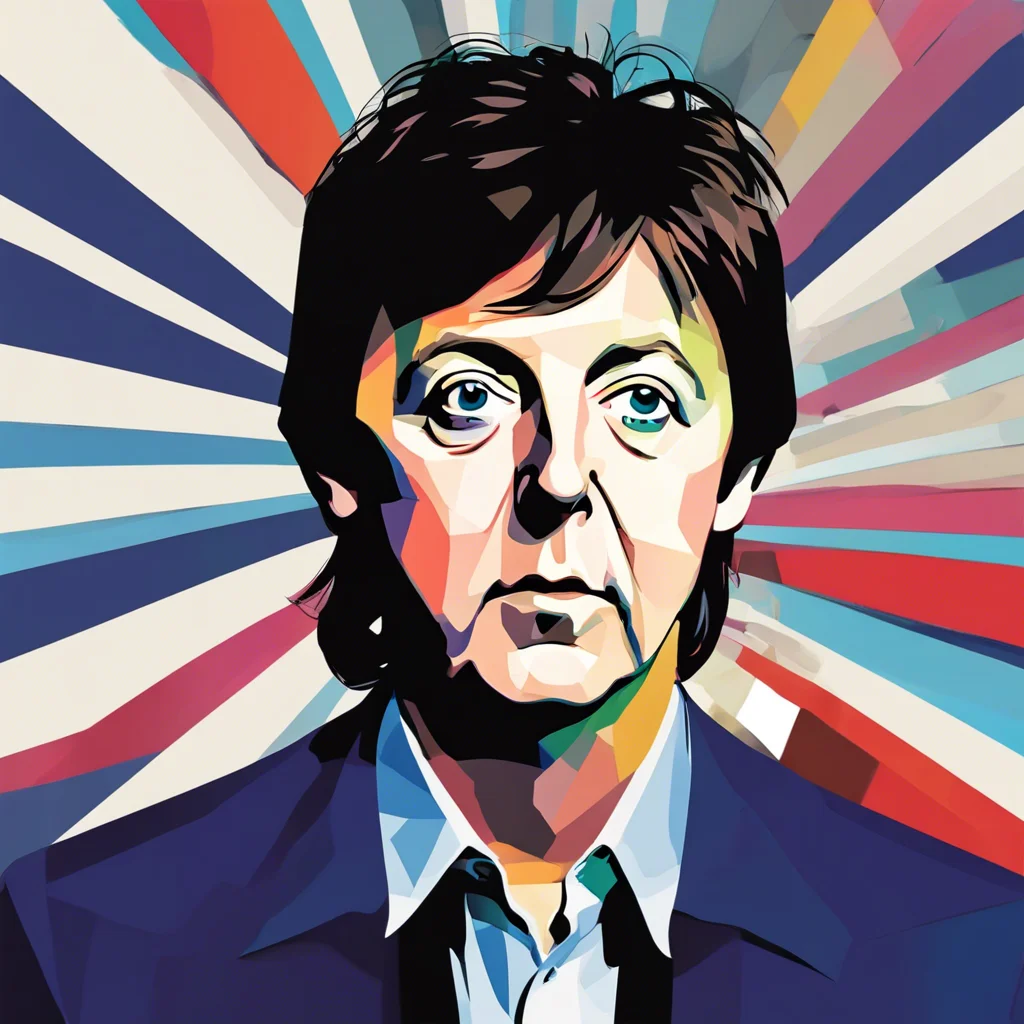
Paul McCartney’s musical journey did not end when The Beatles disbanded in 1970. Instead, it was the opening of a new chapter full of creative endeavors and memorable hits.
As a solo artist and with his band Wings, McCartney continued to shape the music industry. He proved that his talent could indeed stand independently of the Fab Four.
His post-Beatles work, including the powerful anthem “Live And Let Die”, is a testament to his versatility and continued relevance in an ever-changing musical landscape.
McCartney’s evolution as an artist is characterized by his ability to traverse genres and experiment with new sounds while still retaining the signature melodic gift that propelled The Beatles to stardom.
This versatility is rooted in his time with the band, where he pushed the limits with songs like “Got to Get You into My Life”. This song was a homage to the Motown Sound, and “Penny Lane”, a nostalgic tribute to Liverpool.
The threads of his Beatles beginnings are woven throughout his subsequent work, creating a musical tapestry that honors his past while confidently stepping forward.
His influence extends beyond his own music as McCartney has also been a champion for other musicians and various humanitarian causes throughout his career. His energy and dedication to his craft remain inspiring to aspiring artists and his peers alike.
Early Life and the Beatles
Born on June 18, 1942, in Liverpool, England, Paul McCartney’s early years were marked by a passion for music. This led him to form The Beatles, a band that would forever change the cultural landscape.
Rise to Fame with The Beatles
Paul McCartney met John Lennon in 1957, and their songwriting partnership propelled The Beatles to international fame. McCartney’s melodic bass playing and Lennon’s rhythm guitar underpinned the band’s groundbreaking sound. Their first hit, “I Want to Hold Your Hand,” was a watershed moment, igniting Beatlemania across continents.
Songwriting Dynamics
McCartney and Lennon formed one of the most successful songwriting duos in music history. Their collaborative process was flexible. Sometimes McCartney would craft the melody while Lennon would contribute the lyrics, or vice versa.
Notable songs like “Hey Jude” showcased McCartney’s gift for creating anthemic hooks and timeless music.
Cultural Impact
The Beatles not only revolutionized music but also left an indelible mark on global culture. Their influence extended beyond the auditory realm, affecting fashion, film, and societal norms.
McCartney, along with Lennon, Harrison, and Ringo Starr, was instrumental in ushering in the transformative 1960s era. They encapsulated the spirit of youth and optimism through their artistry.
McCartney’s Work After The Beatles
After the Beatles disbanded, Paul McCartney embarked on a successful journey of musical exploration. This included the formation of the band Wings and numerous solo ventures.
Launching Wings
Wings, fronted by McCartney and his wife Linda McCartney, soared into the music scene in 1971. McCartney’s intention was to return to live performances, something the Beatles had left behind in their later years.
Wings released Wild Life, their debut album, that same year. However, it was the 1973 album Band on the Run that truly cemented their reputation.
The album, recorded in Lagos, Nigeria amid challenging conditions, featured the hit title track. It showcased McCartney’s adeptness at creating memorable rock melodies with pop appeal.
Solo Ventures
Aside from his success with Wings, McCartney’s solo album ventures displayed his versatility as a musician.
His first solo album, McCartney, saw him experimenting with a homespun and experimental style shortly after the Beatles’ breakup.
Followed by Ram in 1971, McCartney further demonstrated his skill in crafting catchy and heartfelt songs.
McCartney continued to release solo albums that varied in style, further establishing his individual identity as a musician separate from the Beatles’ legacy. His ability to balance rock elements with the easy charm of pop music kept him at the forefront of the music scene.
Collaborations and Influence
Famed Collaborations
Paul McCartney has not only left an indelible mark on music history with The Beatles but has also engaged in notable partnerships that spanned genres and generations.
His collaborations with Stevie Wonder, such as the hit “Ebony and Ivory,” continue to be celebrated for their harmony and message of racial equality.
In the realm of electronic music, McCartney, under the pseudonym The Fireman, worked alongside producer Youth to create experimental albums like Rushes.
The unexpected nature of these projects exemplified his refusal to be confined to a single genre.
In more recent years, McCartney teamed up with contemporary artists like Kanye West. They collaborated on the single “Only One,” which combined West’s innovation with McCartney’s timeless musicality.
Legacy and Inspiration
McCartney’s influence extends beyond his immediate sphere, deeply affecting artists and the public alike.
Musicians such as Bob Dylan have been vocally appreciative of McCartney’s work, pushing the boundaries of rock music and inspiring Dylan’s own songwriting journey.
During times of global crises, such as the pandemic, McCartney’s messages of hope resonated widely. This reinforced his role as one of music’s most enduring rock stars.
The Beatles’ legacy, stemming partially from McCartney’s songwriting partnership with John Lennon, continues to inspire new generations of musicians. Artists named James, and countless others citing him and his body of work as a key influence on their musical development. This proves that McCartney’s contributions to music are as relevant today as they were over half a century ago.
Musicianship and Artistry
Paul McCartney’s career stretches from the early days of the Beatles through a dynamic solo career. It’s marked by an extraordinary command over a wide range of instruments, a daring evolution of sound, and innovative production techniques.
Instrument Proficiency
From his iconic bass lines to his ability on the piano, guitar, and drums, McCartney’s instrumental versatility is a cornerstone of his musicianship.
He revisited his first instrument, trumpet, on the Beatles’ track “Penny Lane.” His work on EMI’s variety of instruments contributed significantly to the band’s sonic palette.
Beyond that, McCartney frequently dazzled with multiple instrumental roles on Beatles’ albums like Revolver and Rubber Soul.
Evolution of Sound
They continuously pushed the boundaries, from the folk influences on “Rubber Soul” to the psychedelic innovations of “Revolver.”
Their experimentation peaked with albums like “Abbey Road,” where McCartney’s varied songwriting shone through complex arrangements and melodic basslines.
George Martin, the Beatles’ legendary producer, played a vital role in translating McCartney’s artistic vision into their groundbreaking sound.
Production Techniques
Under the aegis of Martin at Abbey Road studios, McCartney leaped into inventive production techniques.
Songs were built using tape loops, backmasking, and pioneering multitrack recording processes.
His curiosity and vision led to memorable musical landmarks like the orchestral crescendos on “A Day in the Life” and the crossfade medley that famously concludes “Abbey Road.”
These production methods were integral to creating some of the most timeless and innovative music of his era.
Personal Life and Activism
Paul McCartney’s personal life is as rich and varied as his illustrious career. His activism, often interwoven with his life experiences, has touched on a breadth of causes, from animal rights to music education.
Family and Relationships
Sir Paul McCartney found love with Linda McCartney, an American photographer and musician. They were married in 1969 and lived together at High Park Farm in Scotland, a place of solace away from the public eye.
Their bond was one of the most storied romances in the music world, ending with Linda’s tragic passing from cancer in 1998.
McCartney often referred to Linda as his “old friend” and “the woman who gave him the strength and courage to face the world.”
Philanthropy and Social Causes
McCartney’s philanthropy is widespread. He consistently supports social causes, becoming a voice for those without one.
He helped organize a concert for New York City following the 9/11 attacks and lent his influence to campaigns like Make Poverty History.
McCartney’s activism extends to personal matters, such as his opposition to marijuana after being a well-known user. He acknowledged its impact as a father and role model.
He has also been an avid supporter of cancer charities, likely a tribute to Linda and others he’s lost to the illness.
Significant Works and Milestones
Paul McCartney’s career is a tapestry of critical and commercial successes. He has created a myriad of iconic albums and unforgettable songs. His work has been acknowledged with numerous awards and accolades. https://www.youtube.com/embed/XjN5gZYUwn4
Iconic Albums and Songs
- Let It Be: A noteworthy album by The Beatles, Let It Be was their final studio album, released in 1970. This significant work holds a special place in music history.
- Band on the Run: As the leader of Wings, McCartney’s 1973 album, Band on the Run, was a commercial smash hit. It featured classics that are beloved to this day.
- Solo Album: McCartney’s self-titled solo album, released in 1970, showcased his versatility. It served as a testament to his songwriting prowess outside The Beatles.
- Maybe I’m Amazed: From his solo album, the song “Maybe I’m Amazed” is a powerful ballad. It has been celebrated for its emotional depth and musical complexity.
- The Lyrics: McCartney’s literary work “The Lyrics” compiles a lifetime of songwriting. It reflects on his most influential work and provides insights into his creative process.
Awards and Recognition
- Sir Paul McCartney: He was knighted in 1997 for his services to music, becoming Sir Paul McCartney. The title was a fitting honor for his incredible contributions.
- Multiple Awards: Over the years, McCartney has earned numerous accolades. These include Grammy Awards and an induction into the Rock and Roll Hall of Fame as both a member of The Beatles and as a solo artist.
Exposure in Media and Pop Culture
Paul McCartney’s legacy extends beyond his music, intricately woven into the fabric of media and pop culture through various documentaries, films, and prominent media appearances. His work and influence can be seen in genres ranging from disco to country, highlighting the versatility of his musical genius.
Documentaries and Films
McCartney’s remarkable journey has been captured in several documentaries and films. Notably, Peter Jackson directed “The Beatles: Get Back“, a documentary series showcasing the band’s writing and rehearsing process. The series premiered on Disney+.
The series gave an intimate glimpse of McCartney collaborating with George Harrison, Ringo Starr, and John Lennon. They revitalized classics like “For No One” and “And I Love Her“. Fans could witness the camaraderie and creative process during a pivotal time in The Beatles’ career.
Media Appearances
Throughout his solo career, McCartney has graced numerous talk shows and media events. He often aligns his appearances with holidays such as Thanksgiving, showing his connection with the public.
He has engaged with fans in New York during live performances and TV interviews. He discusses his versatile tracks that have dabbled in various genres including disco and country.
McCartney’s media presence has also intersected with major franchises. He penned and performed “Live and Let Die“, which became an iconic James Bond theme. In these ways, his influence on pop culture remains undeniable.
Future of Paul McCartney’s Legacy
The legacy of Paul McCartney as a former member of The Beatles and a successful solo artist is set to be preserved and continue inspiring new generations. McCartney’s influence is evident in various aspects of music and culture, and his work remains a benchmark for excellence in the music industry.
Preservation of Music and Influence
Paul McCartney’s solo works, such as the hit single “Coming Up”, continue to be celebrated and broadcast on radio stations worldwide. This ensures that his music remains accessible to a broad audience.
Developments in AI technology are instrumental in the restoration and remastering of classic tracks. This could potentially allow McCartney’s music to sound better than ever for future listeners.
The preservation of McCartney’s music also includes the meticulous documentation of his post-Beatles career. This is showcased in books like The McCartney Legacy, which delves into his artistic journey with rich detail.
The Next Generation of Artists
McCartney’s work with The Beatles and his subsequent solo career have laid a foundation that continues to influence the next generation of artists.
Aspects from McCartney’s melody construction to songwriting themes are dissected and adopted by emerging musicians. They seek to emulate his success and artistry.
Moreover, McCartney’s collaborations with newer artists bridge the gap between eras. They connect his legacy with contemporary music trends.
Through these collaborations and the timeless nature of his songs, McCartney’s musical heritage is woven into the fabric of modern music.
Closing Remarks
Paul McCartney’s legacy is not just a story of music; it is a narrative of cultural progression. As a member of The Beatles, he forged a path that many artists continue to follow.
His ability to evolve musically and personally has set the bar for longevity in the industry.
- The Beatles Era: A foundation of groundbreaking work with songs enveloping love, social change, and experimentation.
- Post-Beatles Work: A testament to his versatility with successful band Wings and an enduring solo career.
McCartney’s contributions extend beyond the studio, including:
- Philanthropy: His support of various charitable causes.
- Advocacy: Promoting vegetarianism and animal rights.
His distinct bass playing, creative songwriting, and melodic sensibilities show an artist that challenged norms and delighted fans worldwide.
Project collaborations such as the The Beatles™ LOVE™ show with Cirque du Soleil highlight his cultural influence and the lasting appeal of The Beatles’ music.
Even when examining individual songs from albums like Abbey Road, one finds that McCartney’s work carries an enduring charm that speaks to both the ambition and inventiveness of the band.
While McCartney has enjoyed a storied career, it is perhaps the humility and affection with which he is regarded by fans that truly underscore his impact.
McCartney’s journey from a Liverpool lad to a universally cherished icon demonstrates that music, at its finest, transcends time.


